What Is The Difference Between Landscaping And Hardscaping
what is the difference between landscaping and hardscaping
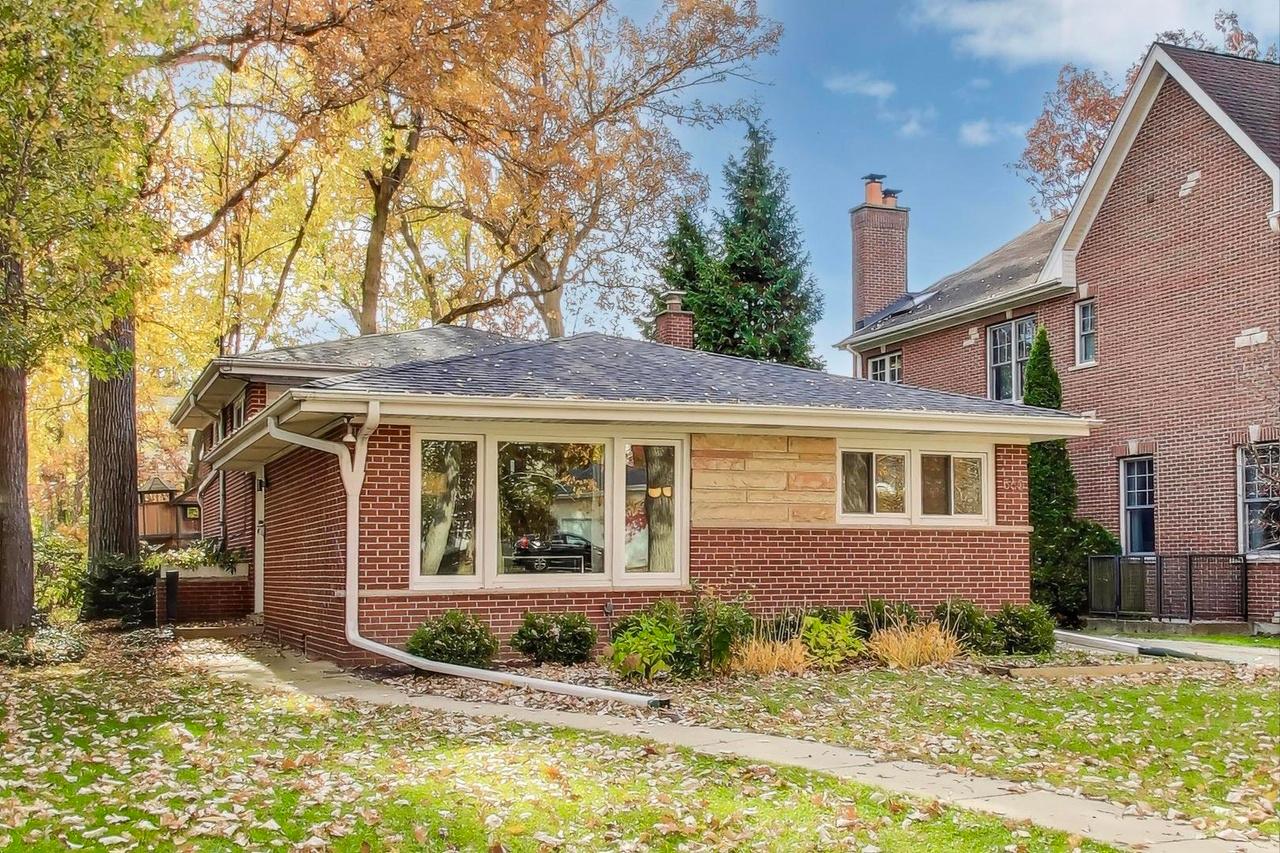
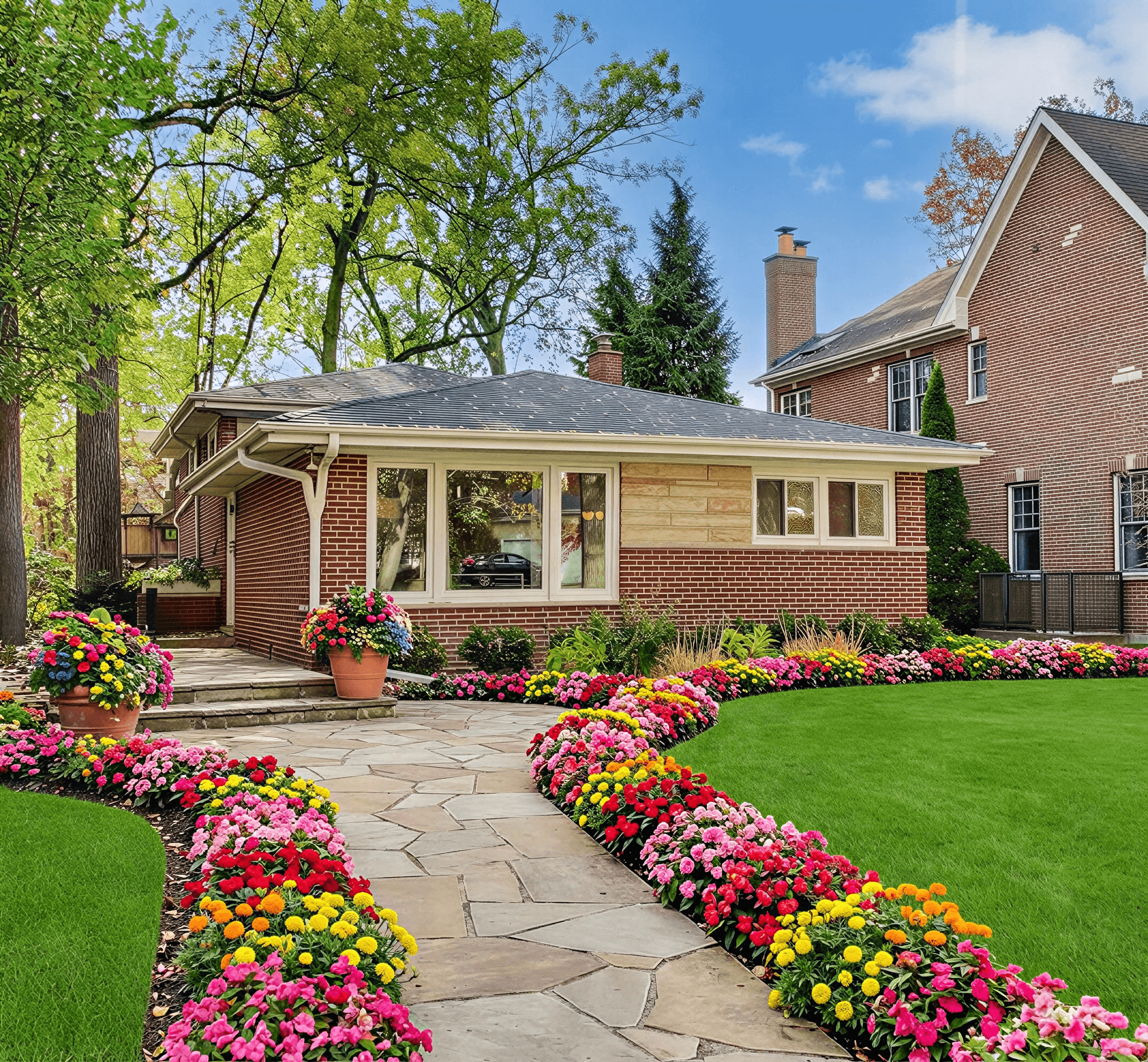
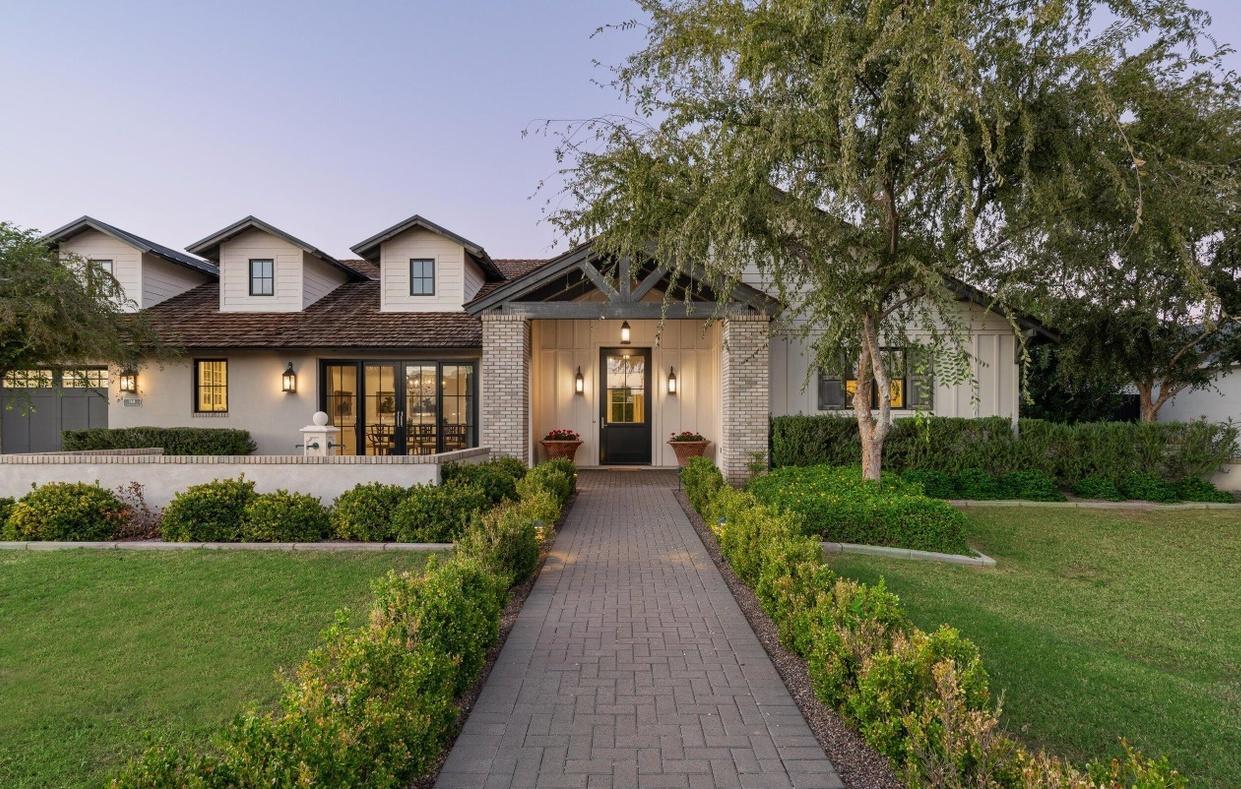
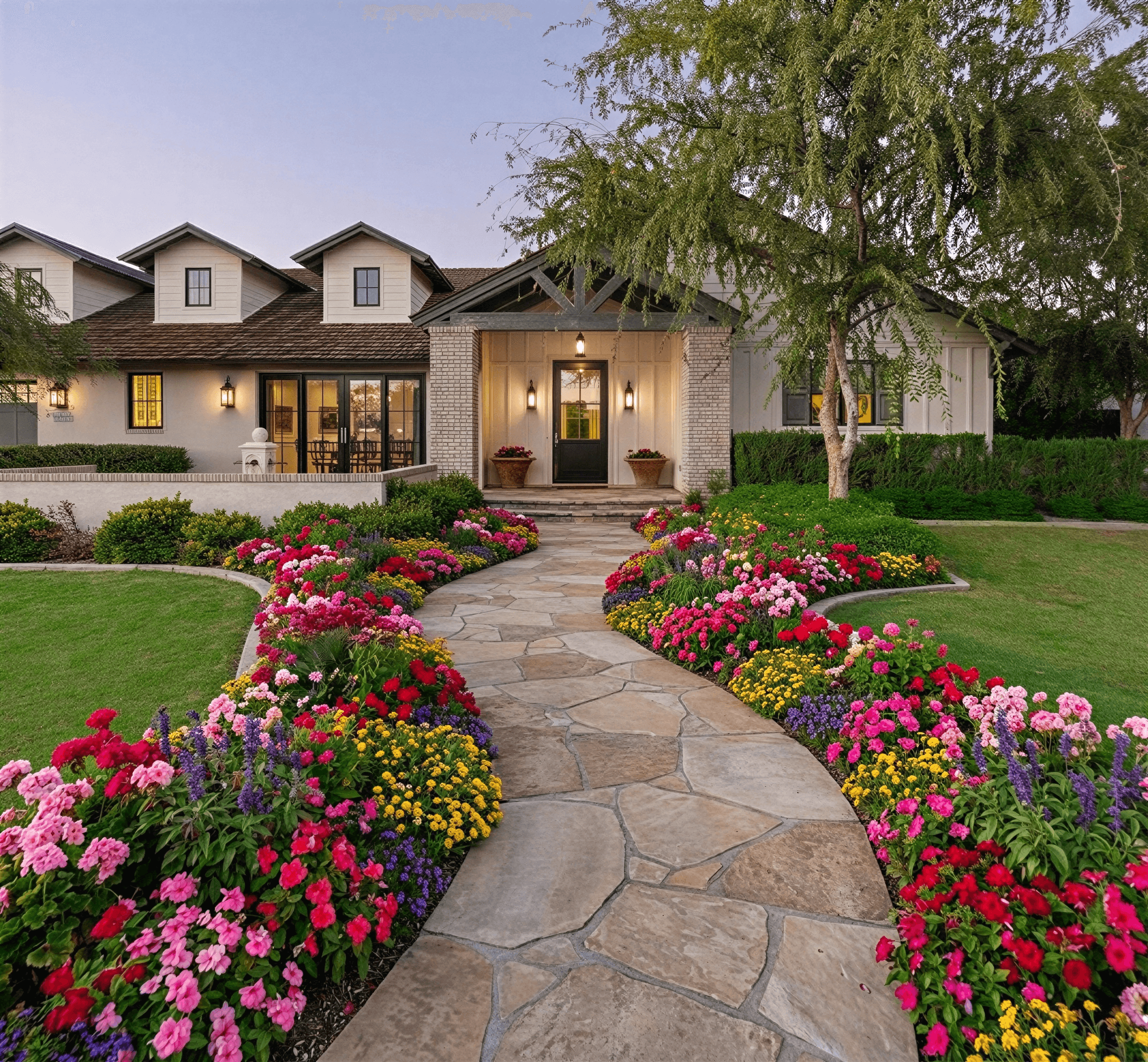
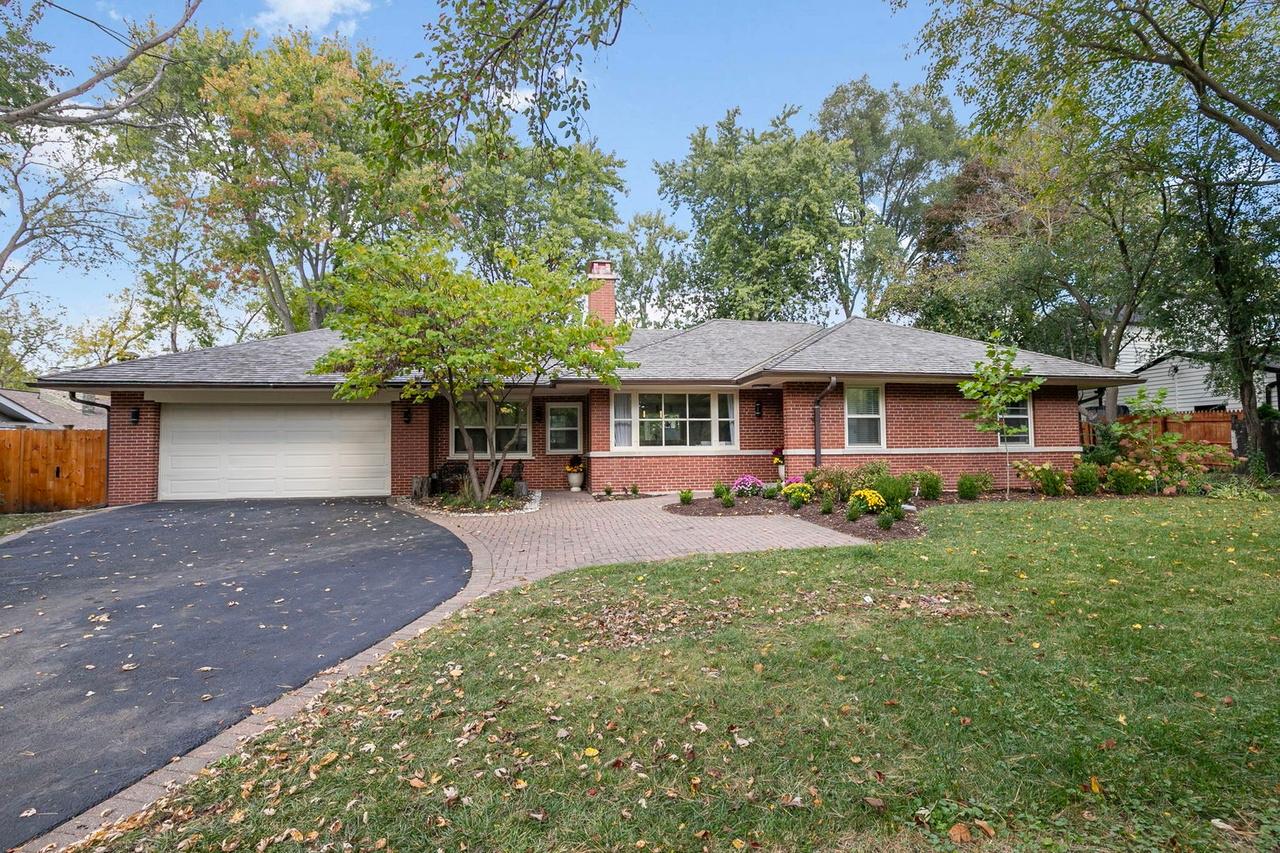
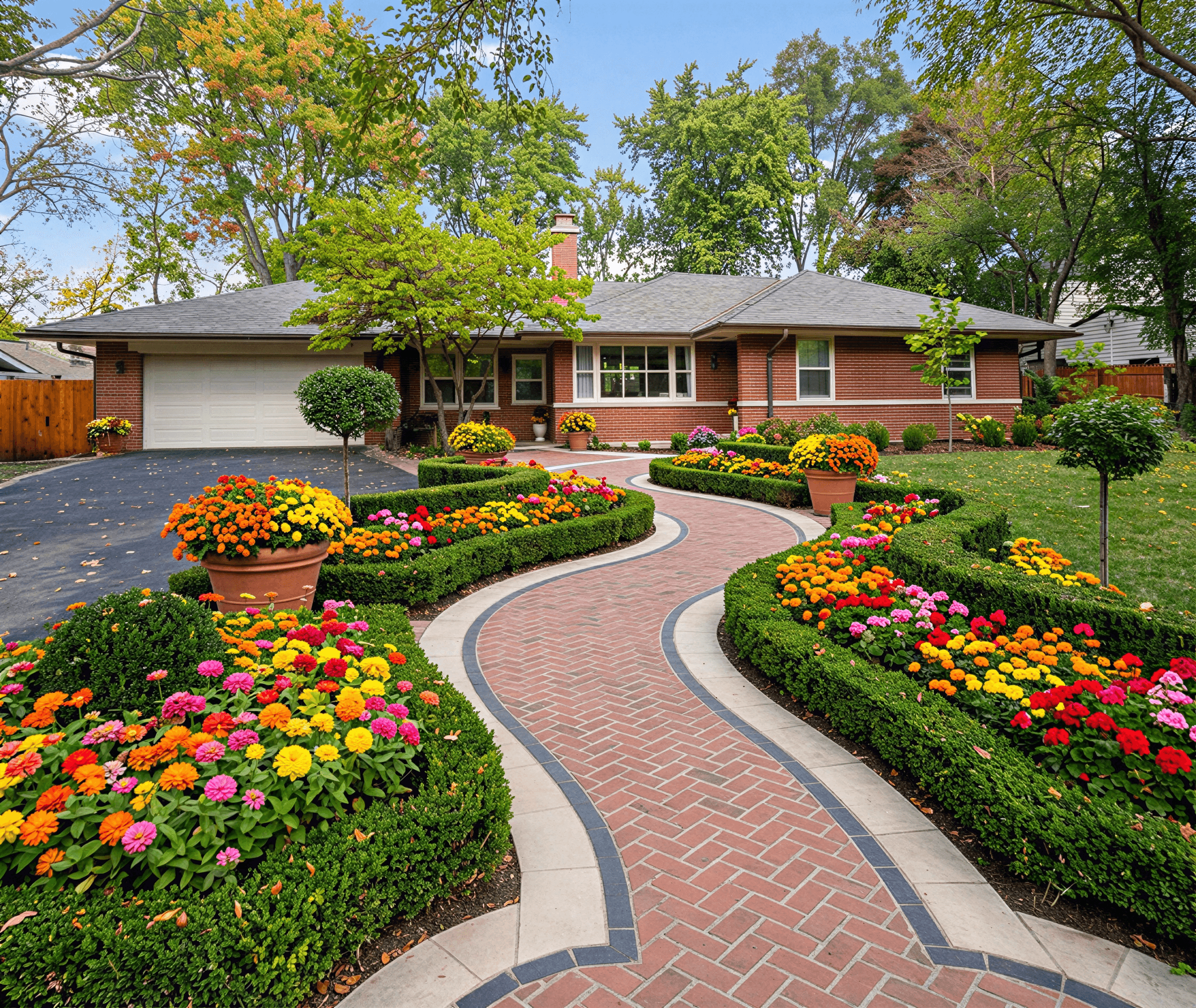
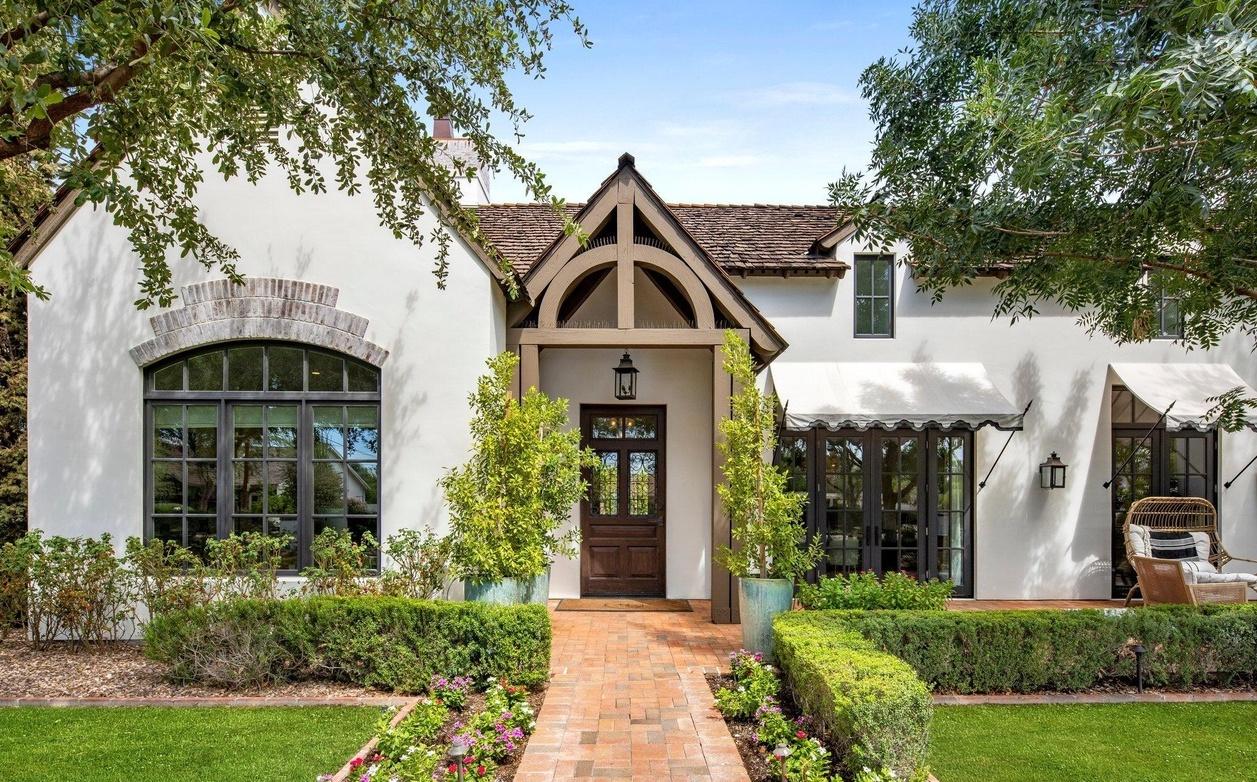
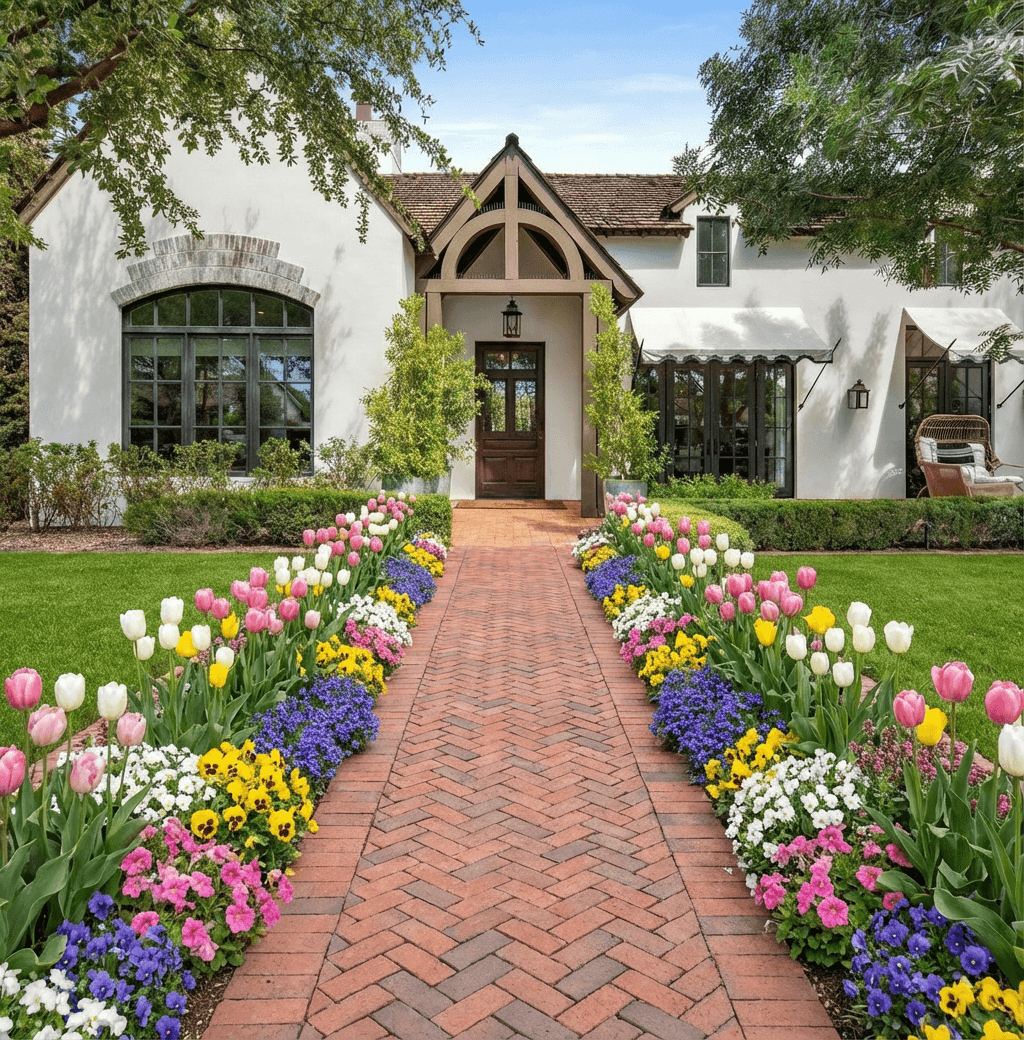
Curb Appeal AI helps homeowners visualize yard changes by letting you upload a photo and try design options before you start any work. Understanding what is the difference between landscaping and hardscaping makes it easier to plan projects that fit your budget and lifestyle. Use realistic mockups to compare plant-focused ideas with paved or structural features so you can prioritize function, maintenance, and curb appeal.
Understanding Landscape vs Hardscape Elements
At its simplest, landscaping refers to living elements like lawns, flower beds, trees, and shrubs, while hardscaping includes non-living structures such as patios, walkways, retaining walls, and driveways. Asking what is the difference between landscaping and hardscaping helps you decide where to invest for visual impact versus long-term structure. Landscapes change with seasons and need regular care; hardscapes are more permanent but require upfront planning for drainage and frost. For most yards a balanced mix provides both beauty and function, with plants softening the lines of built features and hardscapes defining usable outdoor rooms.
Planning Your Yard: Start with Function
Begin by listing how you’ll use the space—play, entertaining, gardening, or low-maintenance appearance—then map those activities onto the yard. Curb Appeal AI can speed this step by letting you upload a photo and test different combinations of plants and paving to see what serves your needs best. When you plan around use, you avoid common mistakes like too much lawn where people don’t walk or a patio that’s unusable in poor drainage. Prioritize circulation, privacy, and sunlight when sketching where landscaping and hardscaping should live together on your lot.
Choosing Materials for Landscaping and Hardscaping
Material choices change cost, upkeep, and style: native plants and mulch keep maintenance low, while pavers, concrete, natural stone, and timber create durable hardscape features. Consider permeability—gravel or permeable pavers help stormwater soak in, whereas concrete may need drains—and local climate when selecting species and materials. If you’re wondering what is the difference between landscaping and hardscaping in terms of materials, remember that plants age and seasonally change, while hard materials define long-term sightlines and require different repair cycles. Test visual combinations digitally first to ensure color and texture fit your home.
Estimating Costs and Long-Term Value
Hardscaping often has higher upfront costs because of labor, grading, and materials; landscaping usually has lower initial material costs but recurring maintenance expenses. Think in terms of lifespan: a well-built patio or retaining wall can last decades and increase usable space, while established trees and mature plantings can greatly improve property value over time. Factor in irrigation, winter care, and replacement planting when comparing bids. When budgeting, allocate funds for proper site preparation and drainage—skimping there increases future repair costs whether you lean toward landscaping or hardscaping.
Maintenance Tips and When to Hire a Pro
Maintenance needs are a key difference: lawns, shrubs, and flower beds need regular watering, pruning, and seasonal care; hardscapes need occasional cleaning, sealant, and repair. Choose projects you can maintain yourself—mulch beds, simple planting beds, and gravel paths are approachable DIY options—while heavier structural work like retaining walls or major grading is best handled by pros for safety and warranty reasons. If you’re unsure, use Curb Appeal AI to visualize options and then consult a landscaper or contractor with your chosen mockup so estimates match what you want built.
Frequently Asked Questions
Is a patio considered landscaping or hardscaping?
A patio is a hardscaping feature because it’s a built, non-living surface. It works with landscaping elements like surrounding plantings to create an outdoor living area and should be planned for drainage and access.
Which costs more over time, landscaping or hardscaping?
Hardscaping usually costs more upfront due to materials and labor, while landscaping can incur higher ongoing costs for irrigation, pruning, and replacement plants. Consider lifespan and maintenance when comparing long-term expenses.
Can I install hardscaping myself or should I hire a contractor?
Small projects like a simple gravel path or a raised garden bed are often suitable for DIY, but structural work—retaining walls, large patios, or anything requiring grading—typically needs a contractor for proper drainage, permits, and durable installation.
How do I decide the right balance between landscaping and hardscaping?
Base the balance on how you’ll use the space, your maintenance capacity, and your budget. Start by visualizing different mixes—using a mockup tool or photos—and prioritize function first, then aesthetics.
Related Landscaping Ideas
Explore Professional Services Near You
Related Articles
Top 10 Front Yard Landscaping Ideas for 2026
Explore 10 top front yard landscaping ideas for 2026. From modern to cottage, find budget-friendly, low-maintenance designs to boost your home's curb appeal.
10 Landscaping a Front Yard Ideas for 2026
Explore 10 inspiring landscaping a front yard ideas, from modern to cottage styles. Get practical tips on plants, budget, climate to boost curb appeal.
What is Xeriscaping Landscaping: 2026 Guide
Learn what is xeriscaping landscaping with this 2026 guide to its 7 principles, benefits, & plant ideas. Create a beautiful, water-wise yard.
Real transformations
See how homeowners are using Curb Appeal AI to reimagine their properties