Drought Resistant Landscape Design Ideas
drought resistant landscape design ideas
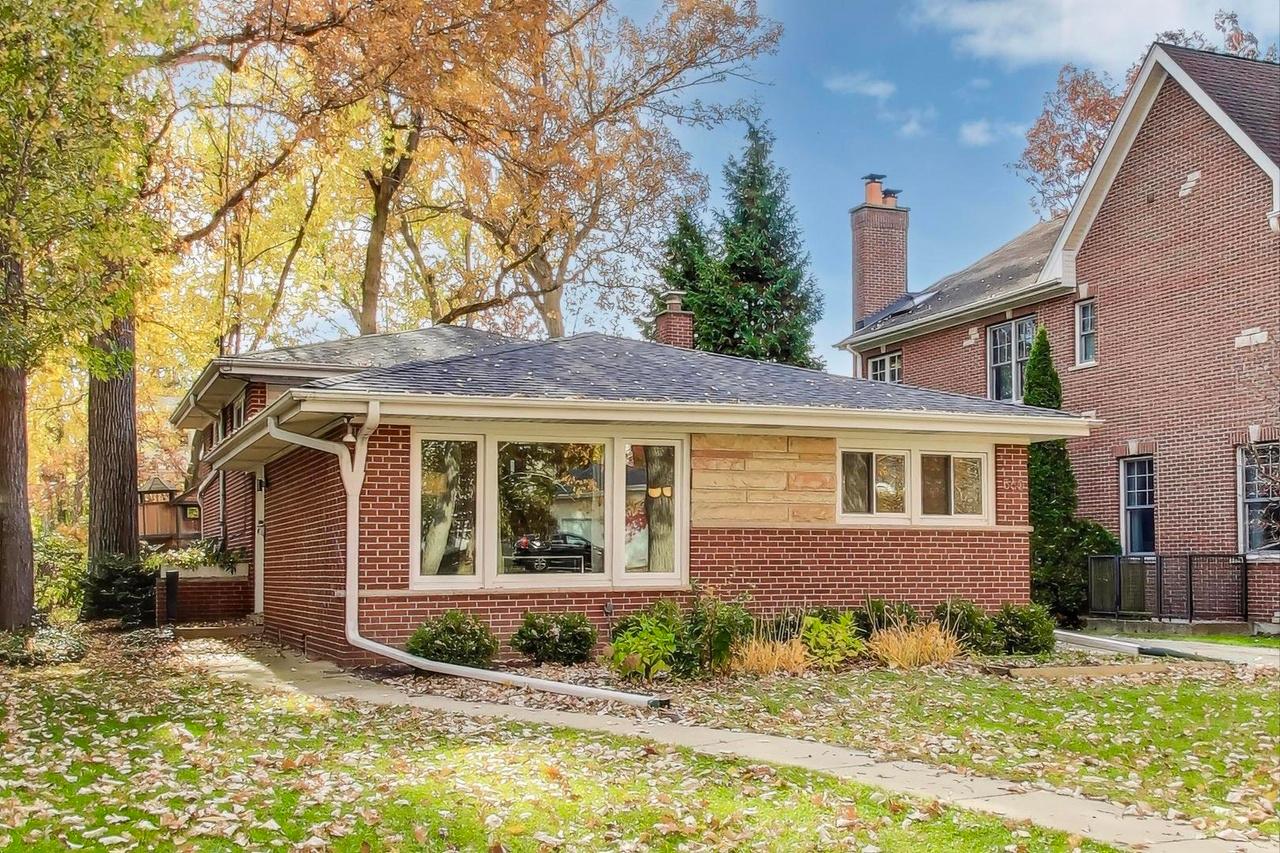
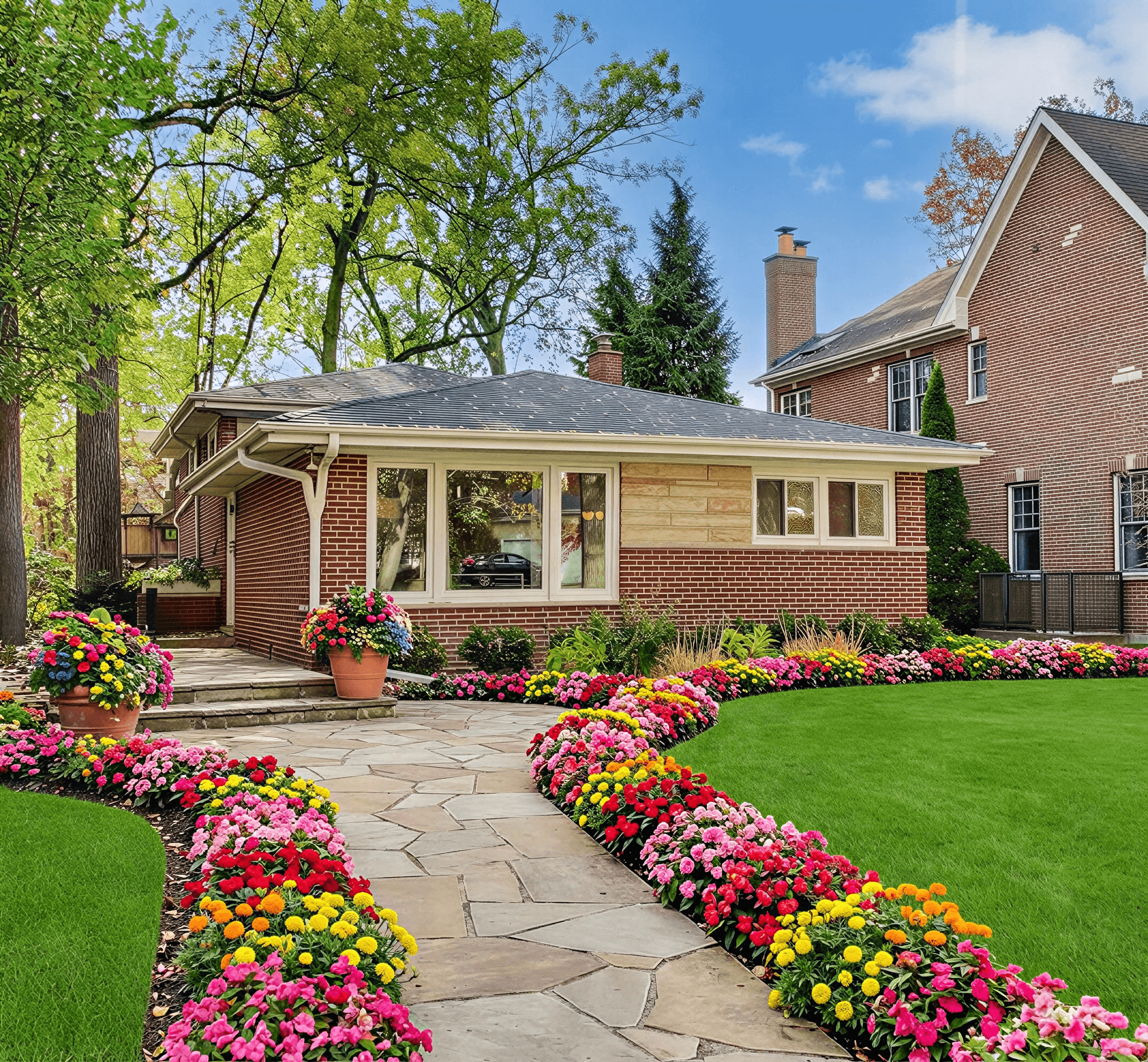
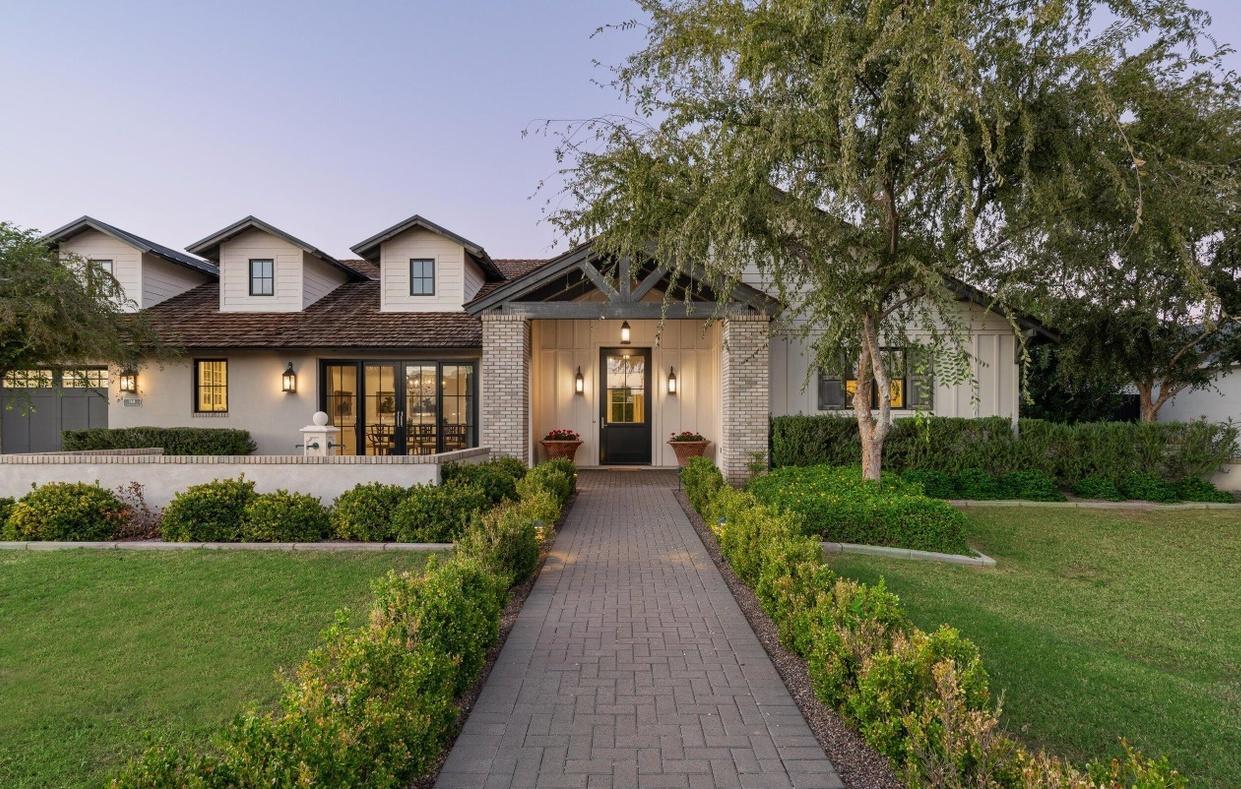
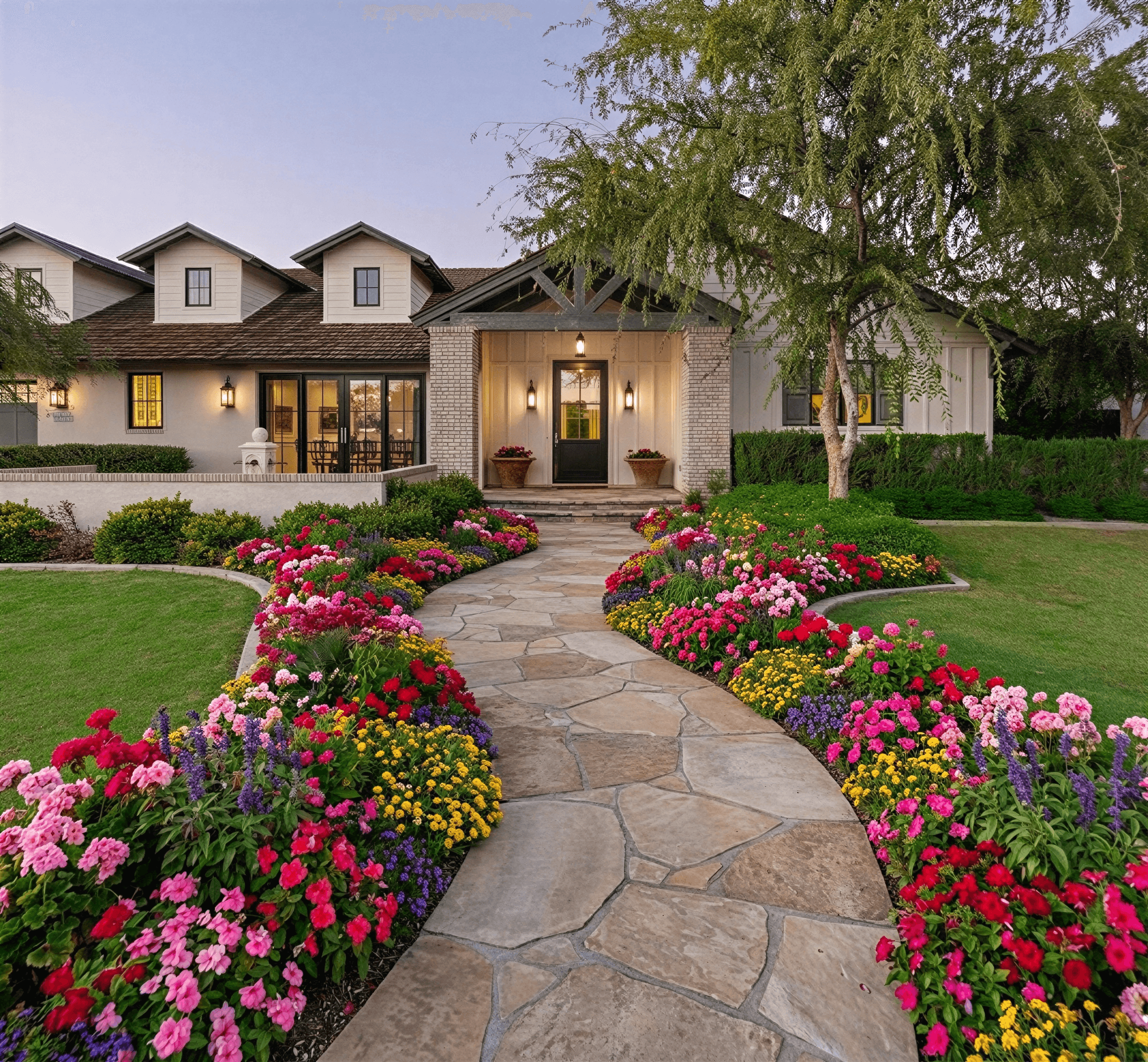
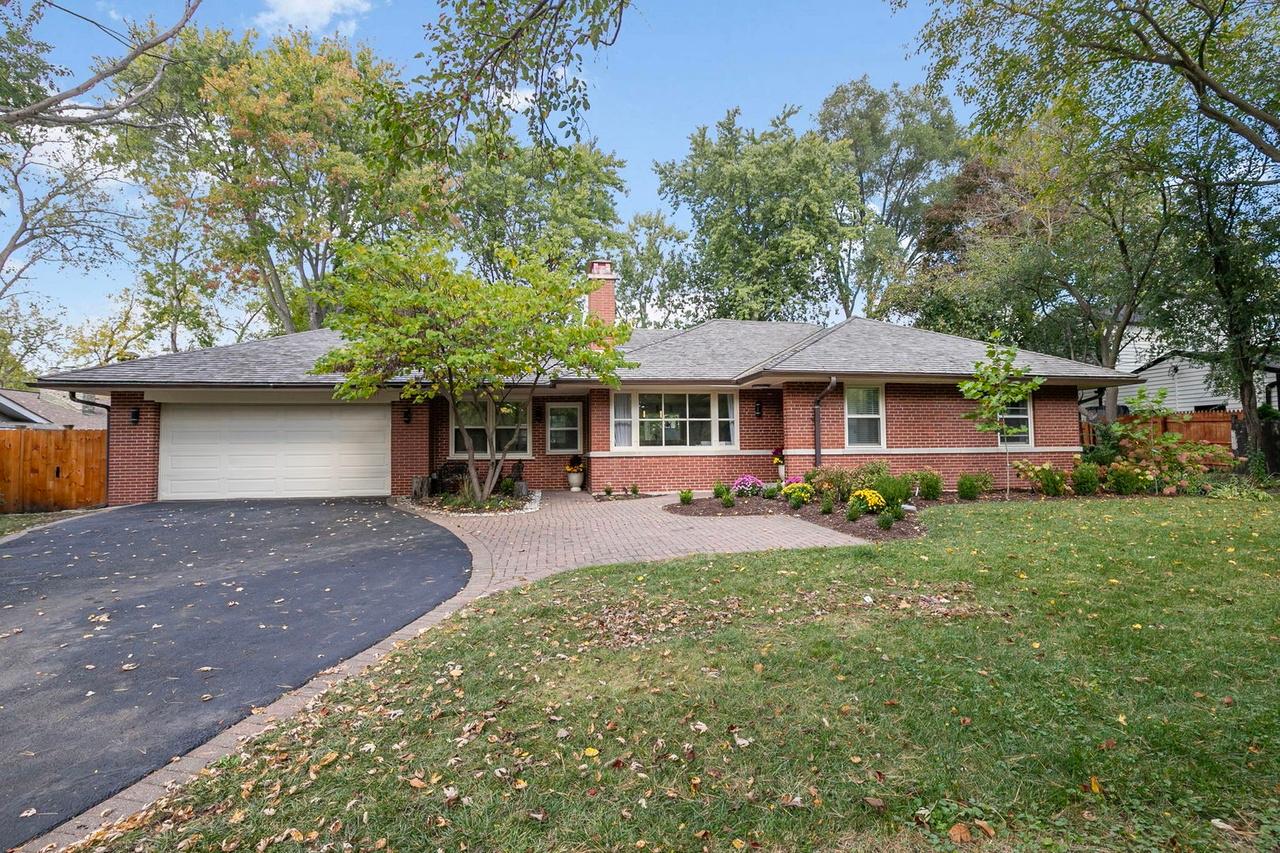
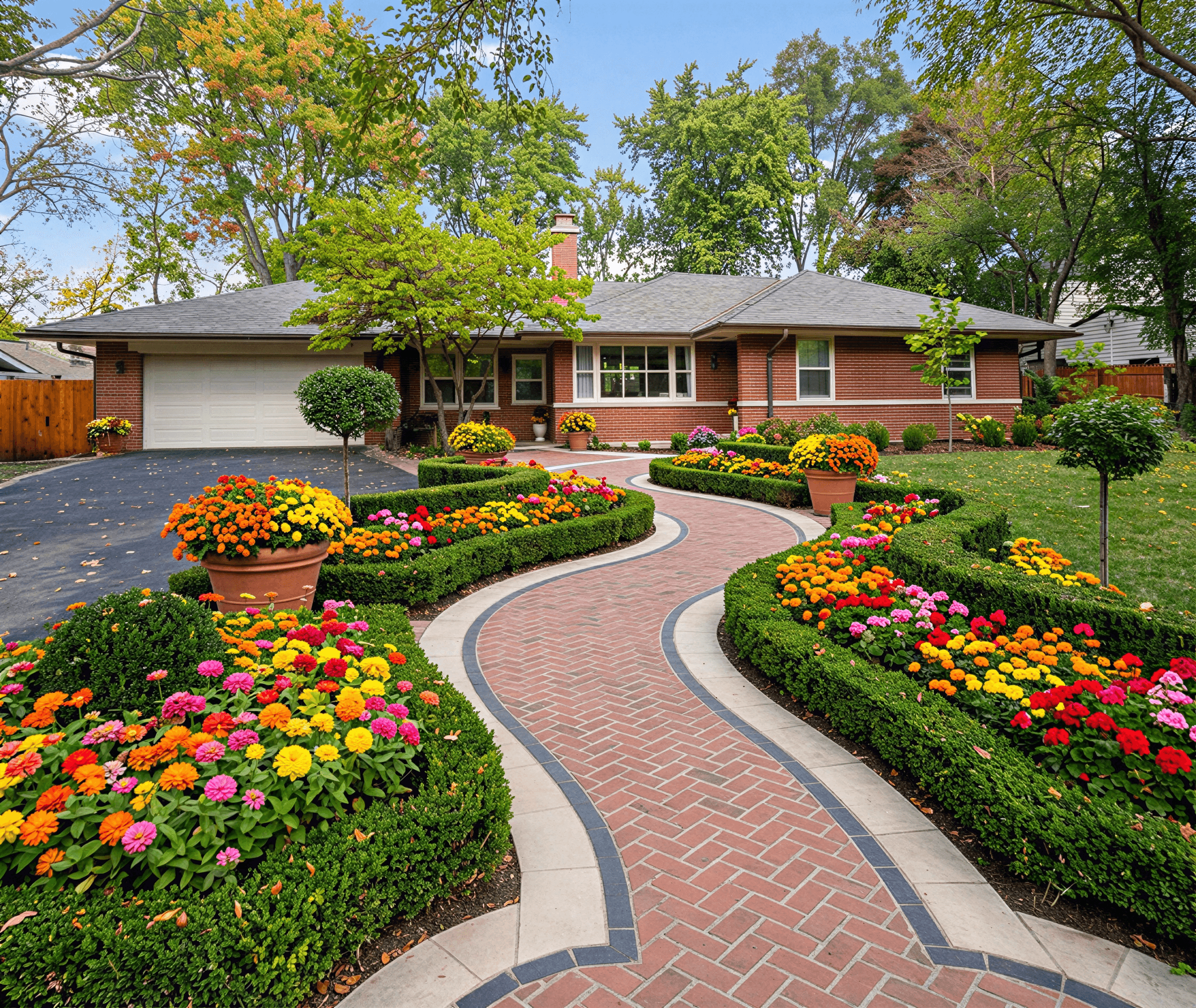
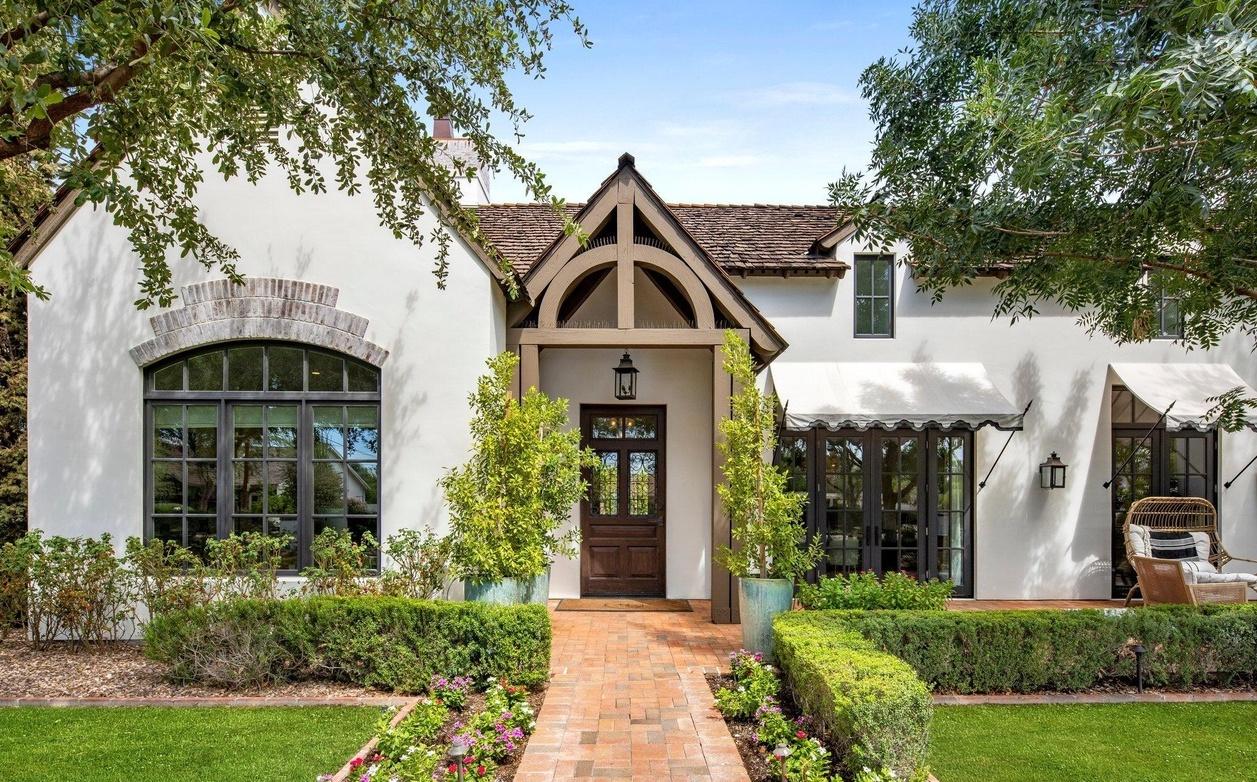
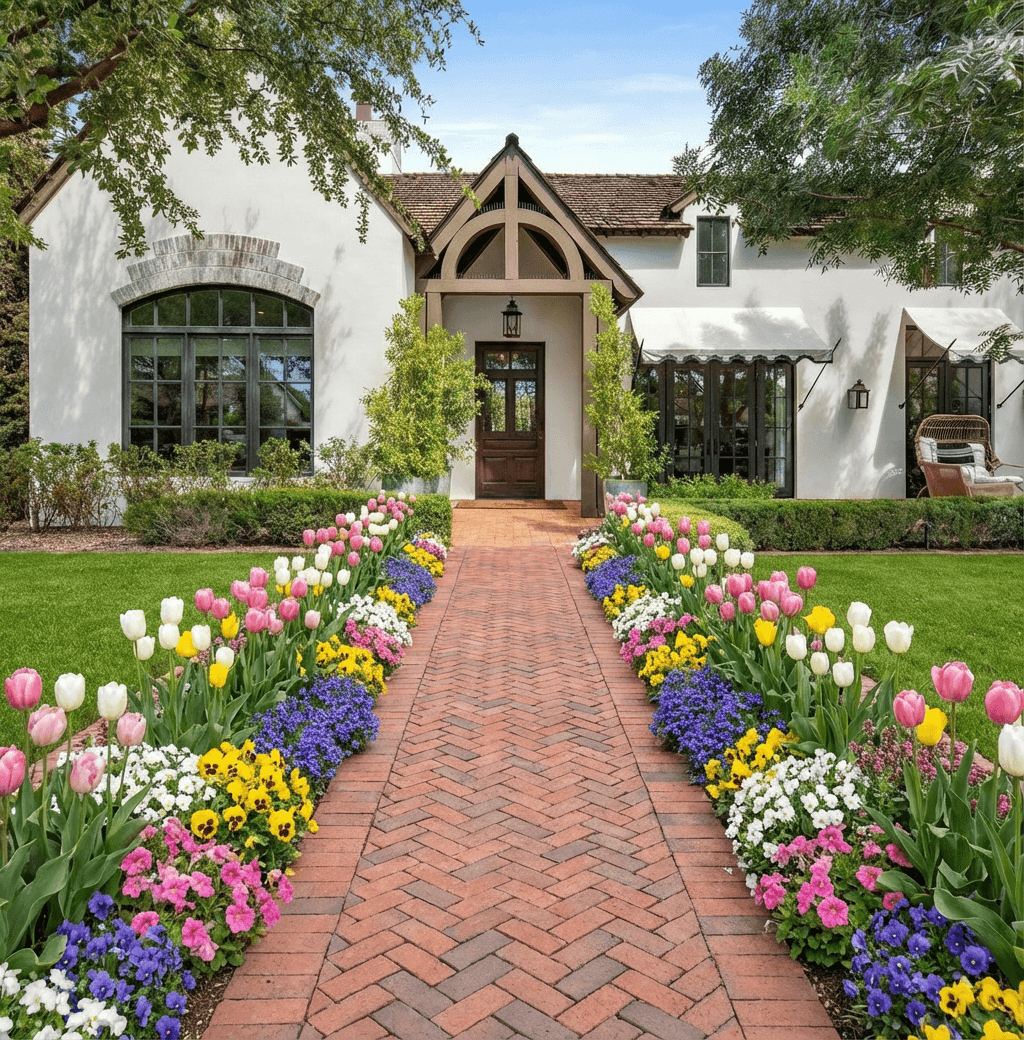
Curb Appeal AI helps homeowners explore drought resistant landscape design ideas by letting you upload a photo and visualize changes before you start. Upload a clear picture of your yard to test plant layouts, hardscape options, and low-water alternatives so you can see what suits your home. The tool makes it easier to compare options and plan projects that save water and cut maintenance over time.
Start with a water-wise plan
Begin by mapping sunlight, soil type, and existing irrigation to set realistic goals for water savings and ease of care. Drought resistant landscape design ideas work best when tailored to your site conditions, so take photos, note slopes, and mark problem areas. Tools like Curb Appeal AI let you upload a photo and visualize improvements before you plant, which helps test layouts and hardscape options without committing. Start with zones: high-use paths, living areas, and low-water planting beds. A clear plan reduces waste, avoids overplanting, and makes maintenance predictable.
Choose drought-tolerant plants and natives
Select plants that store water, use deep roots, or have small leaves to reduce evaporation. Native species and regional drought-tolerant perennials often perform better than exotic options because they match local rainfall and soil. Group plants with similar water needs into hydrozones to make watering efficient and avoid stress. For homeowners seeking low upkeep, consider succulents, ornamental grasses, and Mediterranean herbs. Including a mix of evergreen structure and seasonal color keeps a yard interesting while following drought resistant landscape design ideas that prioritize survival over constant replacement.
Use hardscapes and efficient materials
Hardscaping reduces thirsty lawn area and defines usable outdoor rooms with low water input. Materials like permeable pavers, decomposed granite, and gravel let rain soak in while lowering irrigation needs; mulch around plants retains soil moisture and moderates temperature. Consider drip irrigation and smart timers that target roots instead of spraying foliage, which saves water and prevents disease. When planning patios, paths, and retainers, choose durable materials and simple shapes to minimize maintenance. These practical elements support drought resistant landscape design ideas by creating attractive, water-efficient spaces that require less ongoing effort.
Estimate costs and long-term savings
Budgeting for drought resistant landscape design ideas means weighing upfront costs against long-term savings in water and maintenance. A xeriscape conversion can reduce seasonal watering bills and lower mowing and fertilizing expenses, but hardscape and irrigation upgrades may require a larger initial outlay. Check local utility rebates and conservation programs that offset the cost of efficient irrigation or native plant purchases. For smaller projects, start with a demonstration bed or replace sections of lawn to spread costs over time. Tracking expected water savings can help you decide which elements to prioritize first.
DIY projects versus hiring a professional
Deciding between DIY and professional help depends on scope, skill, and comfort with tools and permits. Simple tasks—like removing a strip of lawn, laying mulch, or planting drought-tolerant shrubs—are suitable for most homeowners, while installing systems such as drip irrigation, retaining walls, or grading changes often benefits from a landscape contractor. If you want to test layouts visually before committing, Curb Appeal AI lets you upload a photo to try different drought resistant landscape design ideas and see potential results, which can guide whether to hire a pro.
Frequently Asked Questions
What plants work best for drought resistant landscaping?
Look for native species and drought-tolerant perennials such as ornamental grasses, lavender, sages, and many succulents. These plants are adapted to local conditions, need less supplemental water, and usually require less maintenance than non-native varieties.
How much can I save on water by switching to drought-resistant landscaping?
Savings vary by climate and current landscape, but many homeowners see significant reductions in seasonal watering—often 30-60 percent—after replacing high-water turf with drought-tolerant beds and efficient irrigation. Calculating projected reductions in irrigation runtime gives a clearer estimate for your home.
Can I convert my lawn to a drought-resistant design myself?
Yes, homeowners can handle staged conversions like removing lawn strips, installing mulch, and planting drought-tolerant shrubs. For larger grading changes, irrigation system installs, or structural hardscapes, hiring a professional will save time and reduce the risk of mistakes.
Are there rebates or programs to help offset costs?
Many water utilities and local governments offer rebates for efficient irrigation systems, turf replacement, or native plant purchases. Check your municipality and utility websites for current programs and eligibility before starting work to maximize savings.
Related Landscaping Ideas
Explore Professional Services Near You
Related Articles
How to Design for Front Yard Landscape: A Pro's Guide
Learn the complete design for front yard landscape process. Our guide covers site analysis, style, plant selection, and using AI tools for stunning results.
Design of Landscape: A Modern Homeowner's Guide
Master the design of landscape for your home. This guide covers principles, styles, site analysis, plant selection, and using AI tools for stunning curb appeal.
iScape Landscape Design App: A Complete 2026 Guide
Explore our complete guide to the iScape landscape design app. Learn its features, pricing, pros, cons, and see how it compares to new AI alternatives.
Real transformations
See how homeowners are using Curb Appeal AI to reimagine their properties