Paver Patio Design Ideas For Small Yards
paver patio design ideas for small yards
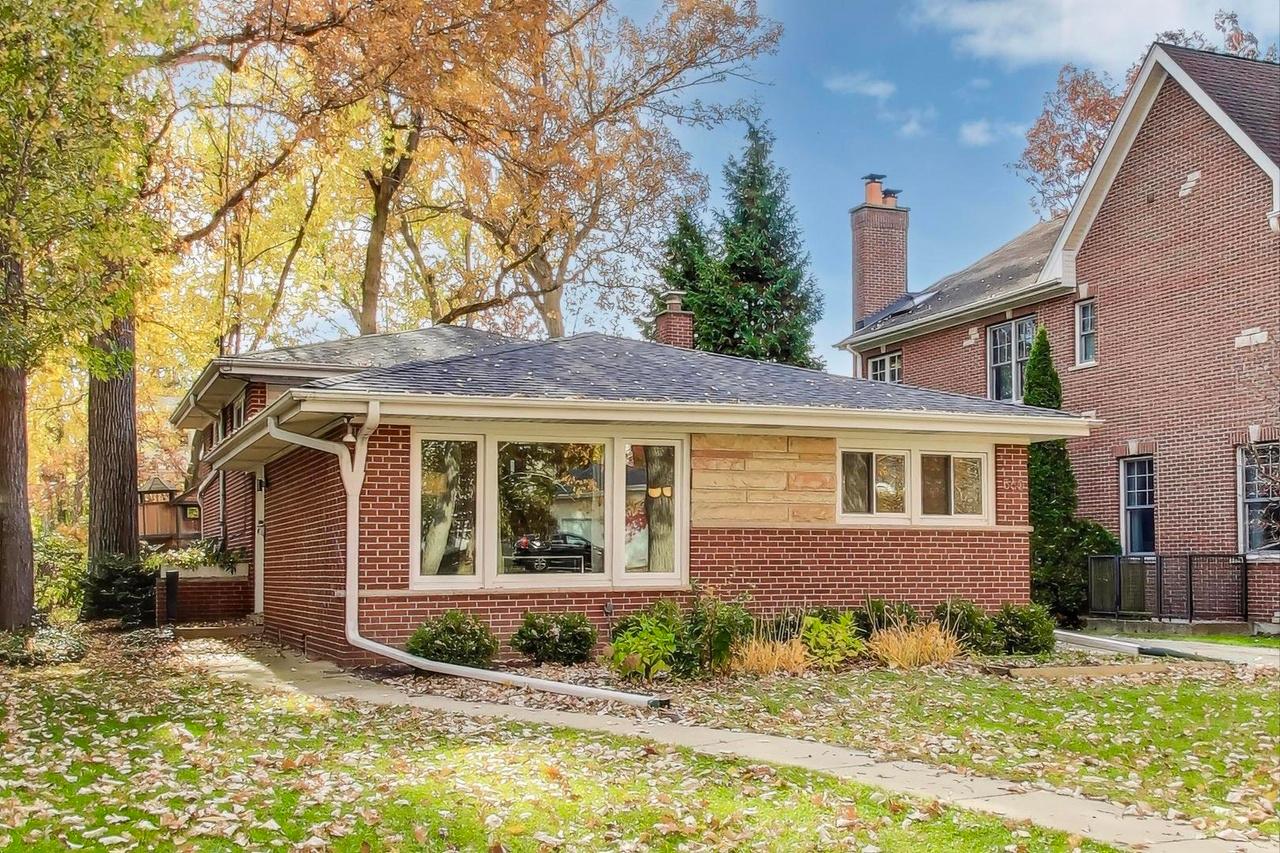
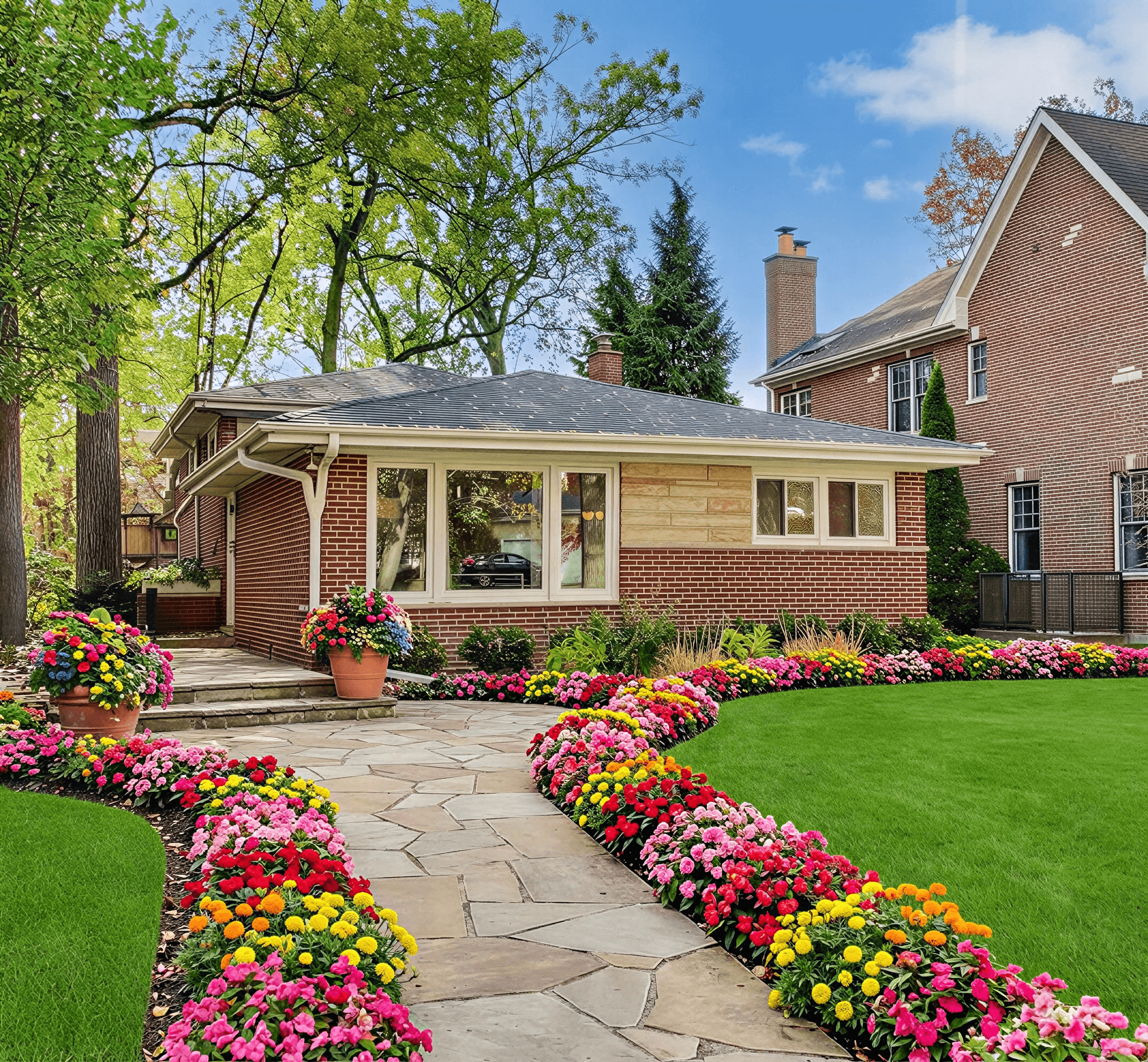
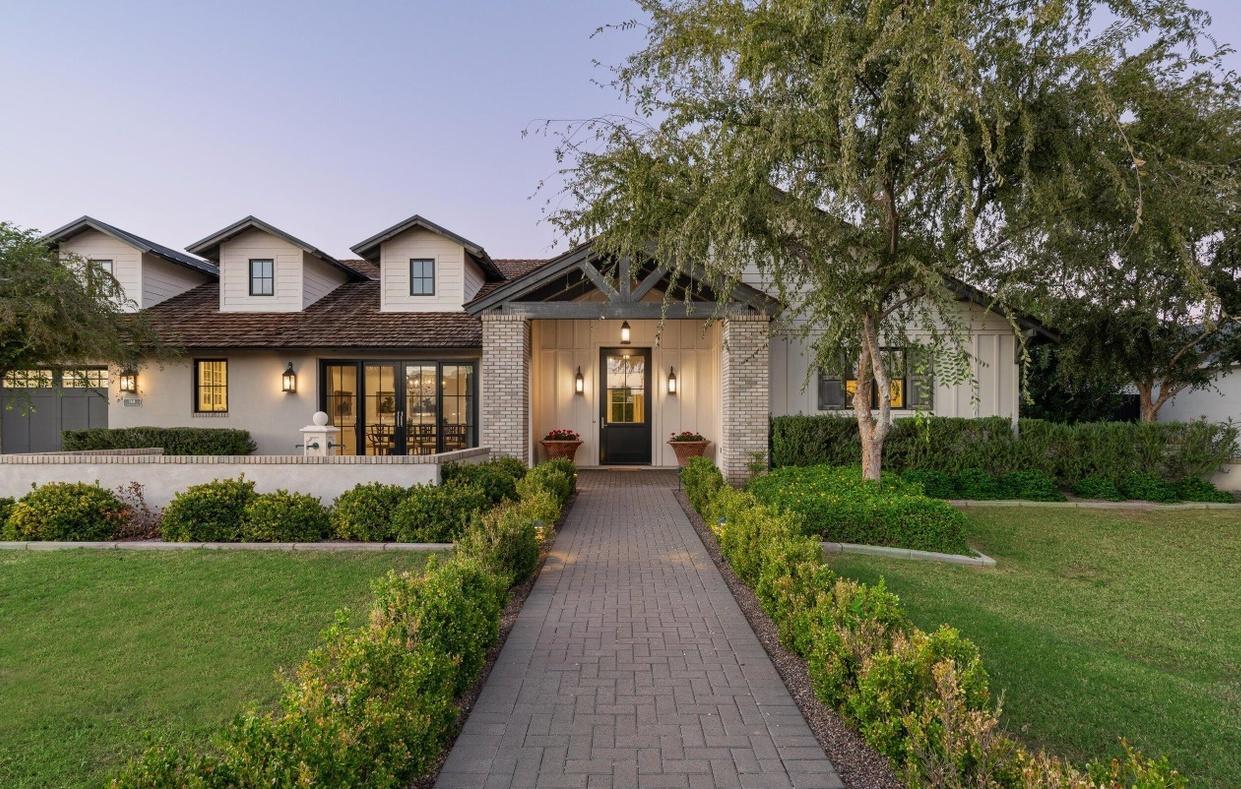
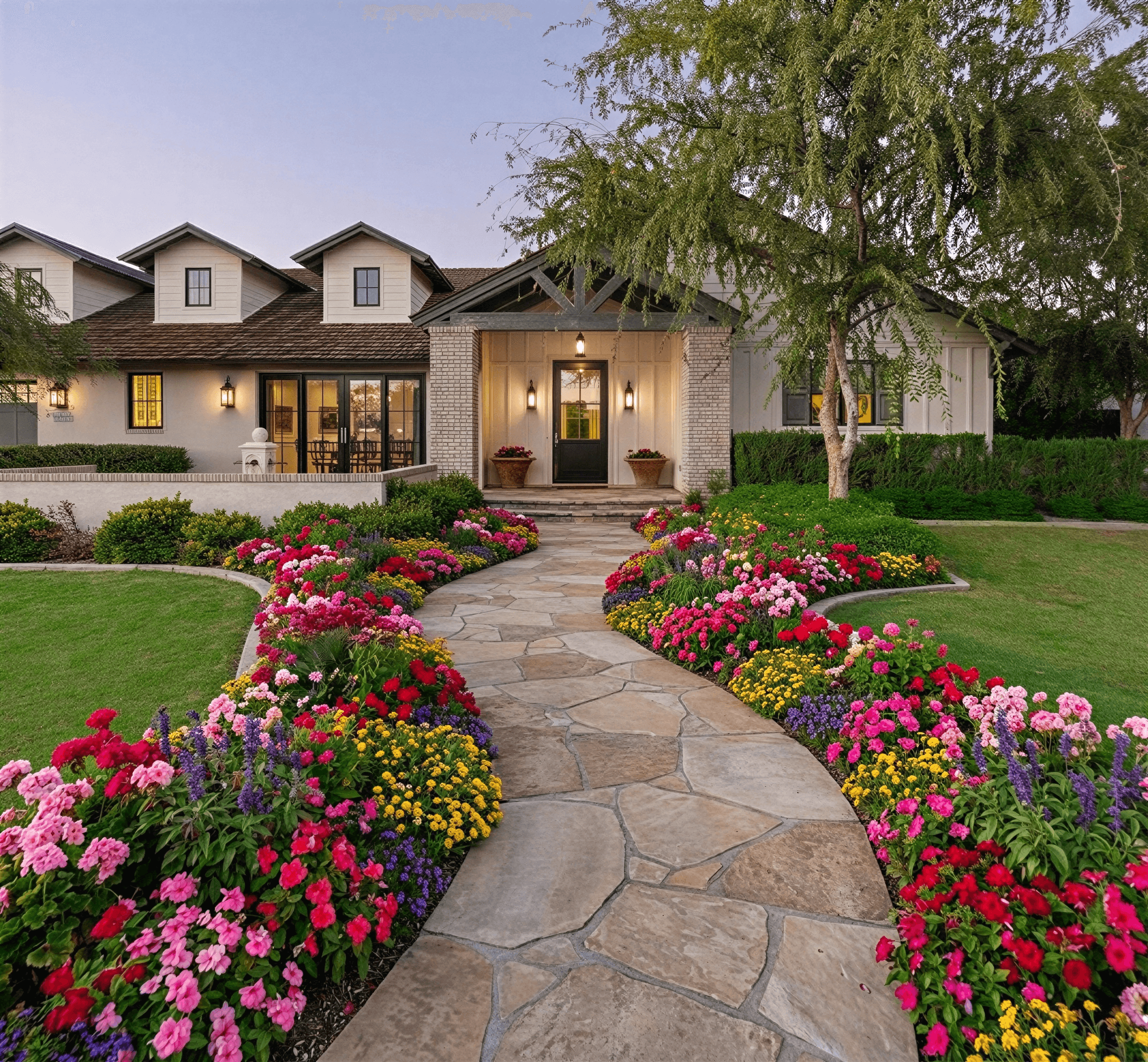
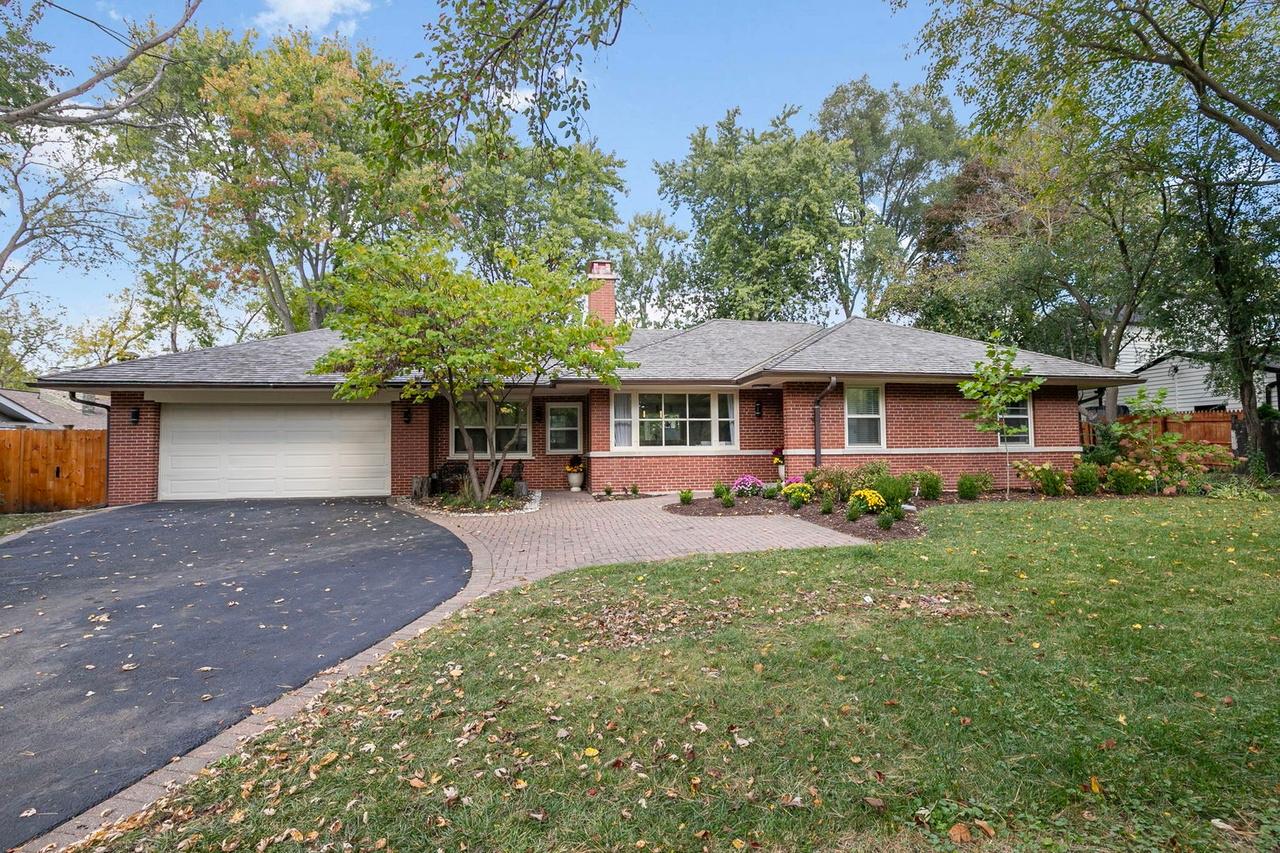
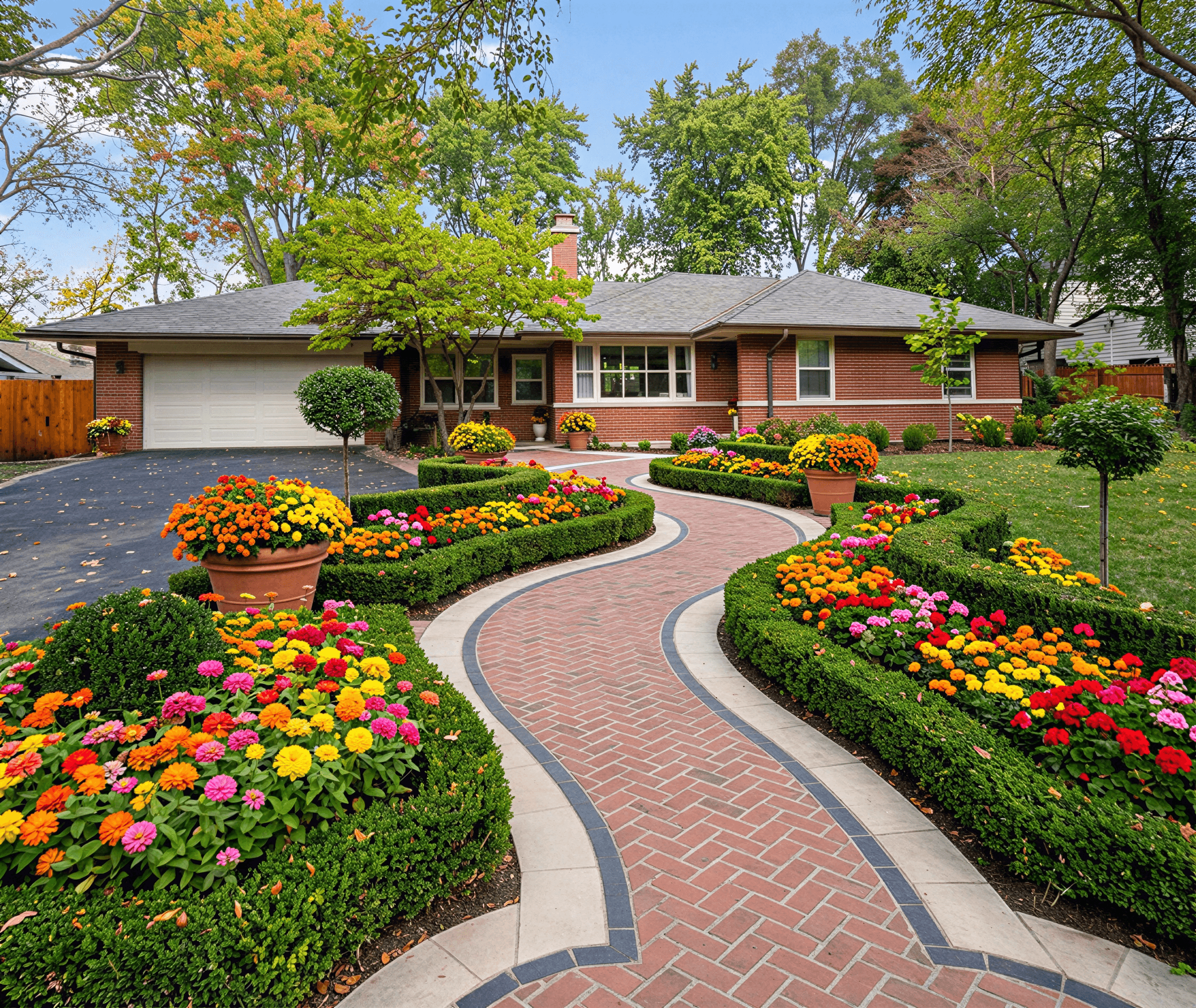
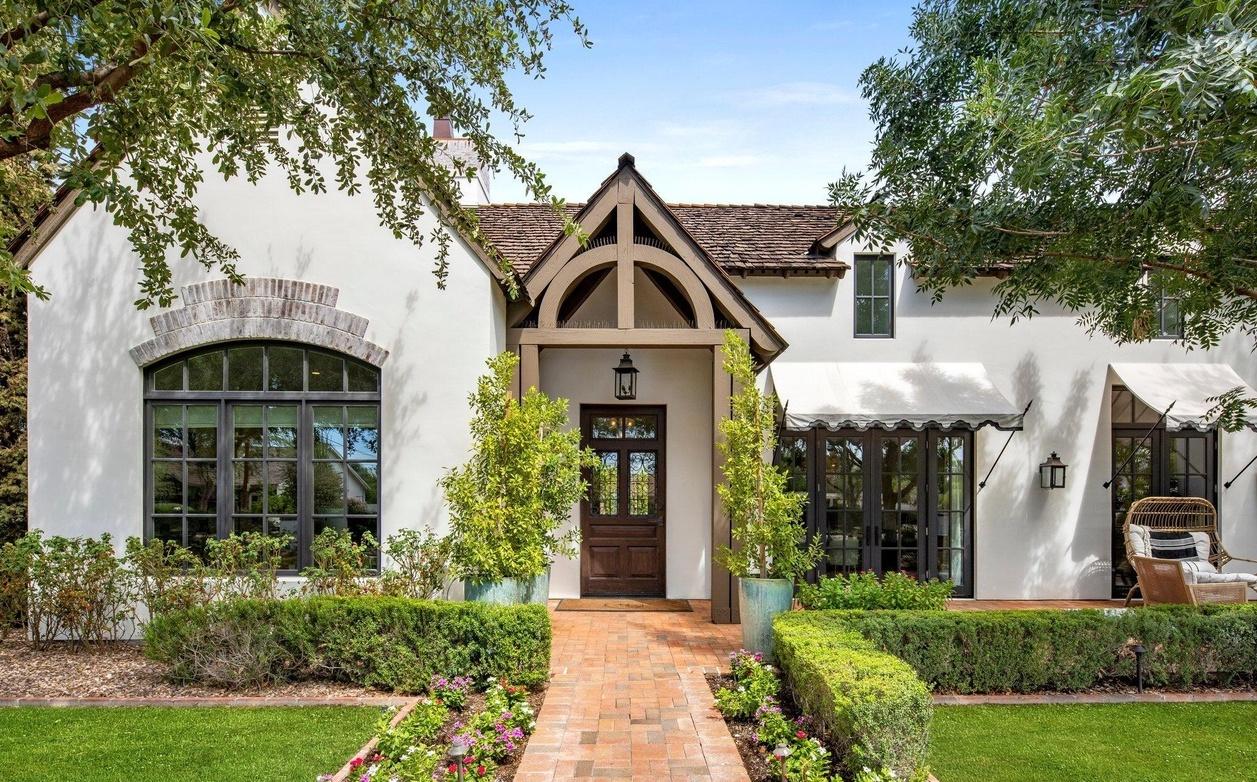
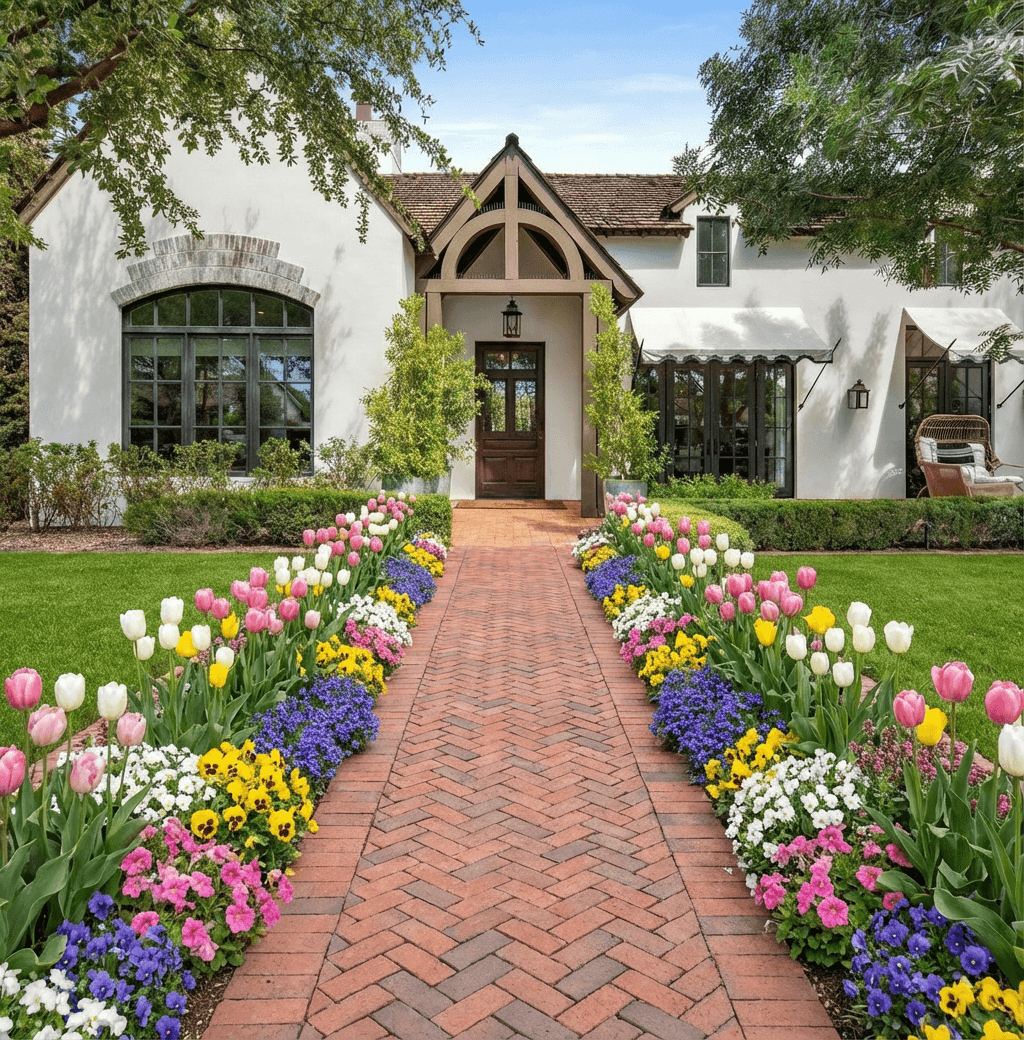
Curb Appeal AI makes it simple to test paver patio design ideas for small yards from a photo of your yard. Upload a picture, try different paver layouts and materials, and see how scale, pattern, and color affect the space before you start digging. This page gives practical planning tips, material choices, cost guidance, and maintenance advice tailored to small yards.
Measure and Plan Your Patio Layout
Start by measuring the usable area and making a simple scaled sketch. Account for furniture clearance, door swings, walkways, and any setbacks or easements required by local code. For small yards, mark a clear focal point—such as a dining spot or planter—and plan circulation so the patio doesn't block paths. Use Curb Appeal AI to upload a photo and test multiple layouts visually; seeing furniture and scale on your own image helps avoid designs that feel cramped once installed. Clear planning reduces rework and helps you choose the right paver size and shape.
Choose Space-Saving Paver Patterns and Shapes
Pattern and paver size influence how large a patio feels. For compact areas, diagonal or herringbone patterns can create visual flow and make the space read larger, while larger format pavers with minimal joints reduce visual clutter. Curved edges or a rounded boundary soften transitions and can make a small patio feel more integrated with garden beds. Consider a defined border to frame the patio and use contrasting pavers sparingly to highlight a focal spot. These choices are central to paver patio design ideas for small yards because they affect both scale and movement.
Select Materials for Small Yard Patios
Material choice affects cost, durability, and appearance. Concrete pavers are affordable and uniform, while natural stone or clay pavers add character but cost more. Permeable pavers help manage runoff in tight sites and may reduce the need for additional drainage. In small yards, lighter colors and subtle textures reflect light and make the area feel more open. Also consider paver thickness—standard pedestrian patios typically use 6cm to 8cm pavers over a properly compacted base—to avoid settling issues and ensure longevity for furniture and occasional vehicle use.
Estimate Costs and Budget-Friendly Options
Budgeting starts with square footage, material choice, and whether you hire labor. Expect wide ranges: basic concrete pavers and DIY installation reduce costs, while natural stone or complex patterns raise both material and labor expenses. Keep designs simple—straight edges, fewer cuts, and standard-size pavers—to lower installation time and waste. Factor in base materials, edging, joint sand, and any drainage work. If cost is a concern, use modular pavers or permeable grids filled with gravel as economical alternatives that still fit paver patio design ideas for small yards.
Maintain and Care for Paver Patios
Routine maintenance keeps a small paver patio looking good and functioning well. Sweep regularly to remove debris, rinse with a hose, and reapply joint sand or polymeric sand if joints begin to erode. For weeds, pull any growth promptly and consider a joint stabilizer or polymeric sand to reduce regrowth. Address minor settling by lifting affected pavers, adding compacted base material, and re-setting them rather than replacing the whole area. Seasonal sealing can protect color on some paver types, but check manufacturer recommendations before sealing.
DIY Versus Hiring a Professional Installer
Small patios can be a good DIY project if you have basic tools and patience, especially for straightforward layouts and level ground. Critical steps—proper base preparation, edge restraint installation, and accurate slope for drainage—are essential and time-consuming; mistakes here cause shifting and poor drainage. Hire a professional if the site requires grading, retaining structures, or complex patterns. For homeowners unsure about scale and visual impact, tools like Curb Appeal AI help preview paver patio design ideas for small yards before committing to DIY or contractor bids.
Frequently Asked Questions
How much space do I need for a functional paver patio?
A cozy seating area can fit in as little as 6 to 8 feet square to accommodate a small table and chairs, while a dining setup typically needs 10 by 10 feet or more. Measure furniture you plan to use and allow at least 3 feet of circulation space around it to ensure comfortable movement.
What paver patterns make a small patio look bigger?
Diagonal and herringbone patterns draw the eye across the space and can create a sense of depth, while larger-format pavers with fewer joints reduce visual busyness. Light-colored pavers and simple borders also help the patio feel more open.
Can I install pavers myself, or should I hire a pro?
DIY is feasible for small, level areas with simple patterns if you follow base preparation and compaction steps carefully. Hire a professional when the project involves slope adjustments, drainage issues, complex patterns, or when you prefer guaranteed workmanship and a faster timeline.
How do I prevent weeds and shifting in a small paver patio?
Use a well-compacted granular base and proper edge restraints to prevent movement, and fill joints with polymeric sand or a similar stabilizer to reduce weed growth. Address any drainage problems that cause water pooling, since standing water can wash out joint material and undermine the base.
Related Landscaping Ideas
Explore Professional Services Near You
Related Articles
Landscape Design for Front Yards: A Modern Guide
Elevate your home's curb appeal with expert landscape design for front yards. Discover fresh ideas and practical tips to create an inviting outdoor space.
How to Design for Front Yard Landscape: A Pro's Guide
Learn the complete design for front yard landscape process. Our guide covers site analysis, style, plant selection, and using AI tools for stunning results.
Transform Your Home: 8 Ideas for Front of House Landscaping
Discover 8 expert ideas for front of house landscaping: modern to cottage gardens. Get actionable tips & visualize your dream yard with AI.
Real transformations
See how homeowners are using Curb Appeal AI to reimagine their properties