Modern Landscape Design Your Neighbors Will Envy
A great landscape design isn't just about planting pretty flowers. It’s about creating a living, breathing extension of your home—a space that’s both beautiful and functional, perfectly suited to your lifestyle and your home’s architecture.
How to Start Your Landscape Design Without Getting Overwhelmed

Looking at an empty or overgrown yard can feel daunting, but I always see it as a blank canvas. The secret to a successful project isn't starting with grand ideas, but with a simple site analysis. You need to truly understand the piece of land you’re working with. This is the foundation for any design that will flourish for years to come.
You don't need any special equipment for this, just a bit of patience and a keen eye. Take a few days to just watch your yard. Where does the sun fall throughout the day? Note the spots that get blasted by the intense afternoon sun and the areas that stay in cool shade. This simple map of light and shadow is your first clue for everything—from where to place a patio for evening cocktails to where a vegetable garden will actually thrive.
Get to Know Your Yard’s Quirks
Once you have a feel for the sun, it's time to understand your soil and water. Pay close attention after the next rainstorm. Do you see puddles that stick around for days? That's a classic sign of poor drainage and heavy clay soil. Or does the water vanish almost immediately? You're likely dealing with sandy soil. Knowing this will save you a lot of headaches when you start picking plants.
Take a look at the lay of the land, too. Don't see a slope as a problem; see it as an opportunity. That gentle hill could become a stunning terraced garden, or it might be the perfect spot for a natural stone retaining wall to create more usable flat space.
A smart site analysis means you’re working with your land, not fighting it. Trust me, ignoring your yard's natural tendencies is the fastest way to create a high-maintenance landscape you won't enjoy.
Turning Your Observations into a Real Plan
This hands-on approach is the bedrock of professional landscaping, an industry that’s projected to hit a market size of $9.7 billion by 2026. This growth is being driven by homeowners who want better outdoor spaces and the technology making it easier than ever to get there. You can get a better sense of how the professional landscaping industry is growing and adopting new tools.
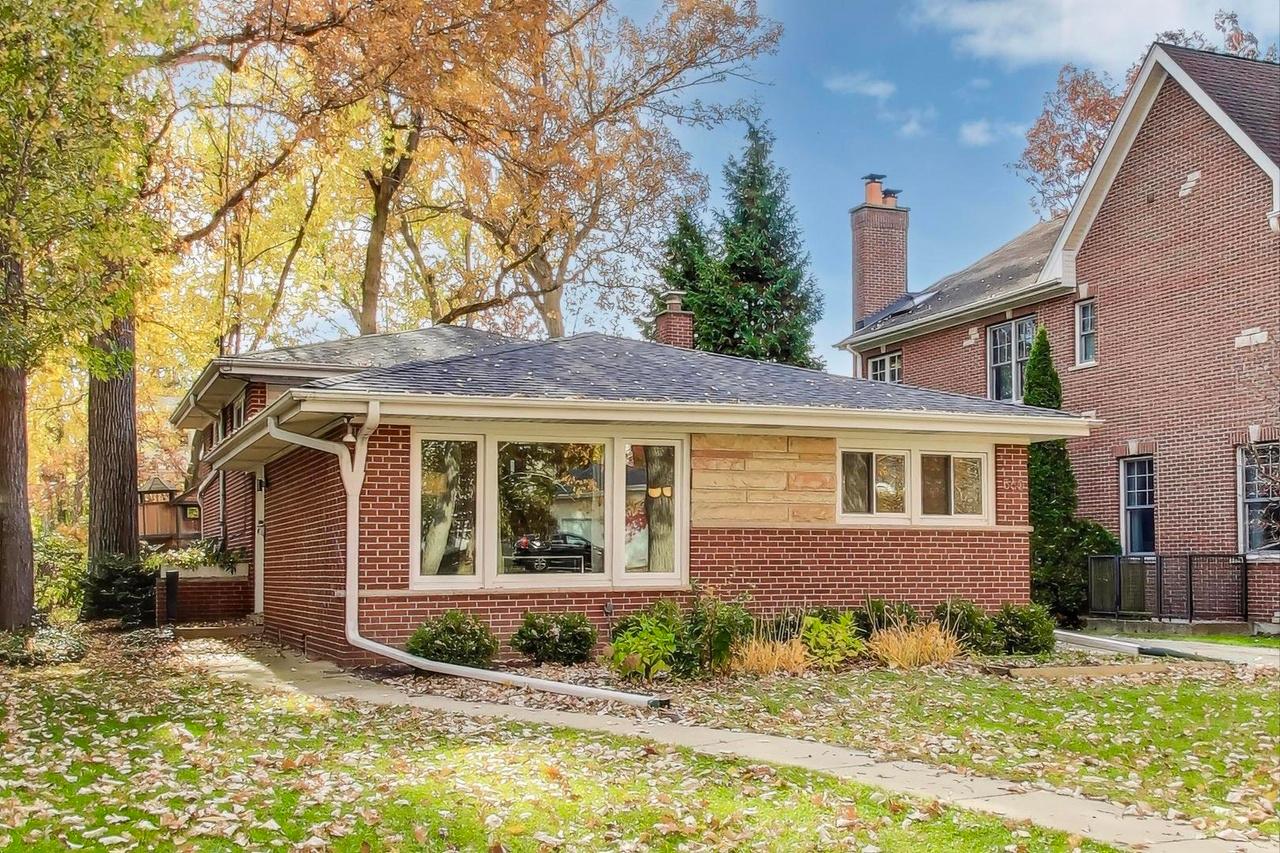
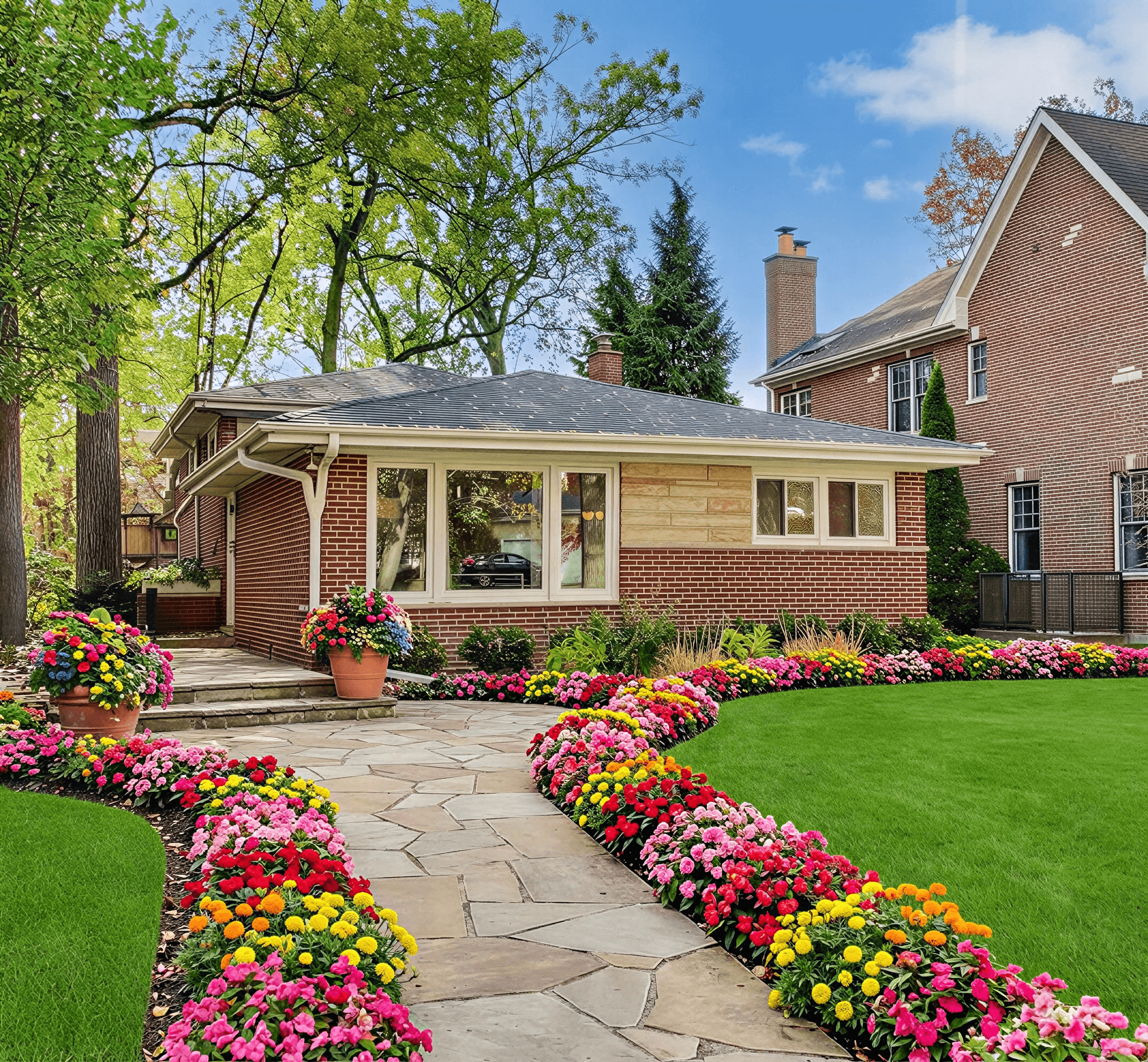
This is where technology can really bridge the gap between your observations and a finished concept. With a tool like Curb Appeal AI, you can take all that knowledge you just gathered and see it come to life. Upload a photo of your yard, mark that one area gets full sun, and the AI can generate a photorealistic design filled with climate-appropriate plants. It turns your vague idea of "something nice over there" into a tangible, inspiring plan you can actually build.
Alright, this is where the real fun begins. You've done the site analysis, you know your sun and soil. Now you get to dream. But hold on—before you rush off to the nursery, let's talk about what you actually want your yard to do.
This is a step most people skip, and it's the single biggest reason landscape projects fail. Is this space going to be a bustling hub for summer cookouts with friends? Or is it your private, quiet retreat for morning coffee and a good book? The look and feel of your design—its style—should always serve its purpose.
What's Your Home's Personality?
Once you have a clear idea of the function, you can start exploring styles that feel right for you and, just as importantly, for your home's architecture. Think of it like dressing for an occasion; the landscape should complement the house, not clash with it.
There are countless design styles out there, but a few tend to be perennial favorites:
- Modern: This is all about clean lines, bold geometric forms, and a "less is more" approach. Picture smooth concrete patios, minimalist planters, and a simple, structured plant palette. It's sleek and uncluttered.
- Cottage: The complete opposite of modern. It's charming, informal, and joyfully abundant. Think climbing roses scrambling over a fence, fragrant herbs spilling onto a winding stone path, and a riot of color and texture. It feels romantic and lived-in.
- Xeriscaping/Desert: Far from being barren, this is a smart, beautiful style for dry climates. It’s built around drought-tolerant plants like succulents and ornamental grasses, artfully combined with gravel, striking boulders, and decomposed granite paths.
- Japanese: Every element has a purpose here. It’s about creating tranquility and a deep connection to nature. Carefully placed rocks, the sound of a small water feature, moss, and expertly pruned trees like Japanese maples all work together to create a peaceful, meditative space.
The goal is harmony. A sprawling, wild cottage garden might feel out of place next to a sleek, modern home. Likewise, a desert landscape might look odd against a classic New England saltbox. The style should feel like a natural extension of your house.
"Try On" Different Designs Before You Commit
Choosing a style can feel like a massive commitment. The fear of spending thousands of dollars only to realize you hate the result is very real. For years, your only options were to pay a designer for sketches or just cross your fingers and hope for the best.
Visualizing the end result is the most powerful tool you have for making confident design decisions. It removes the anxiety of the unknown and turns a guess into a plan.
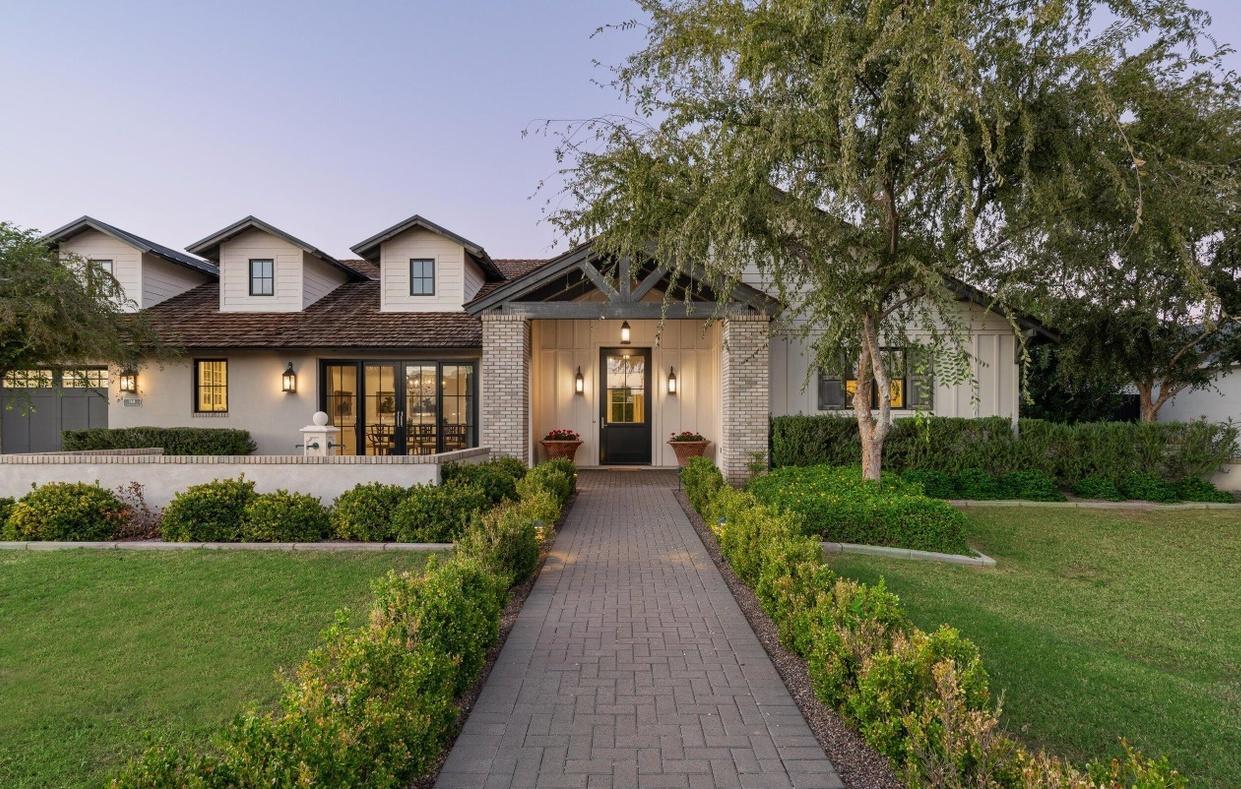
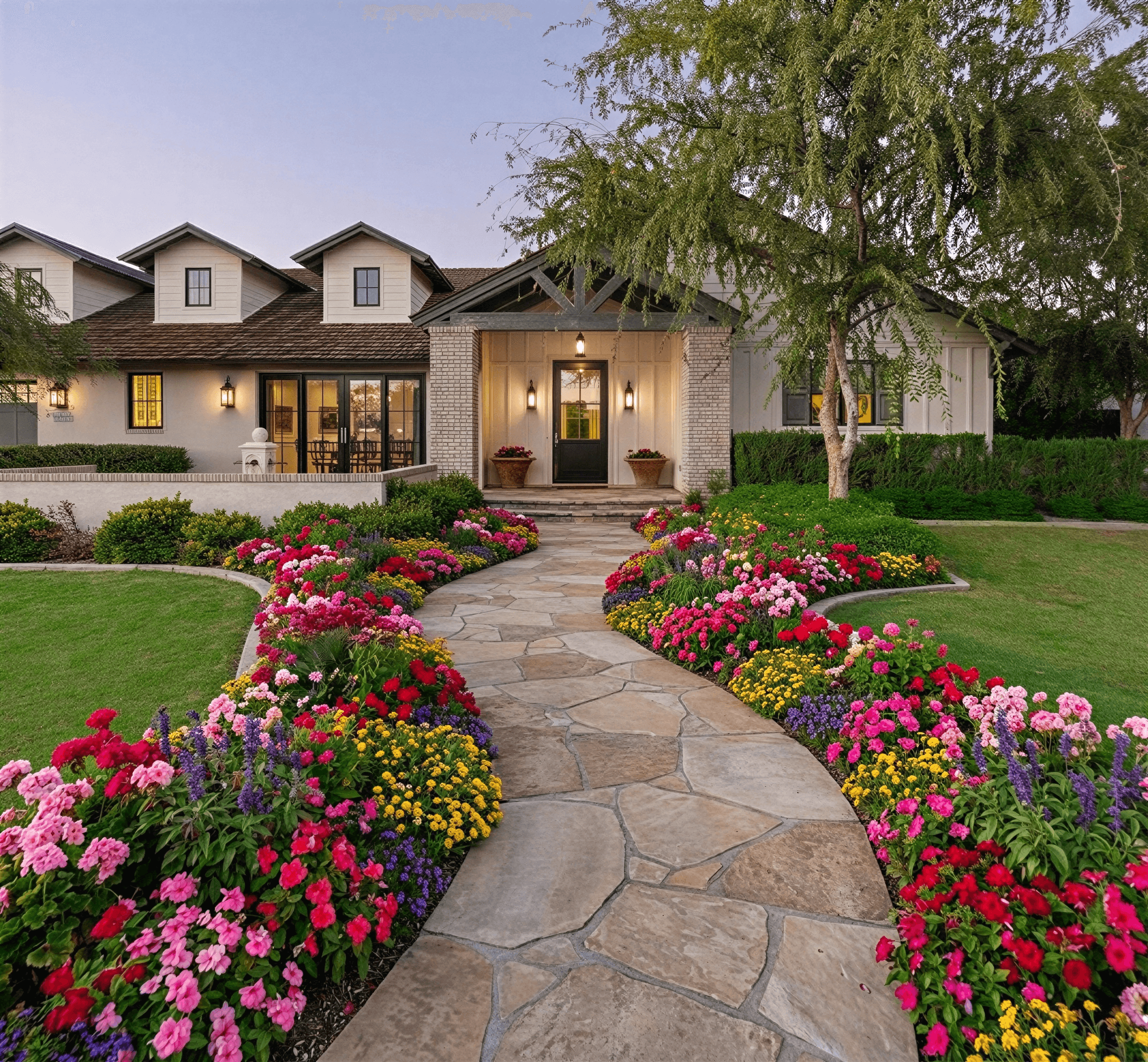
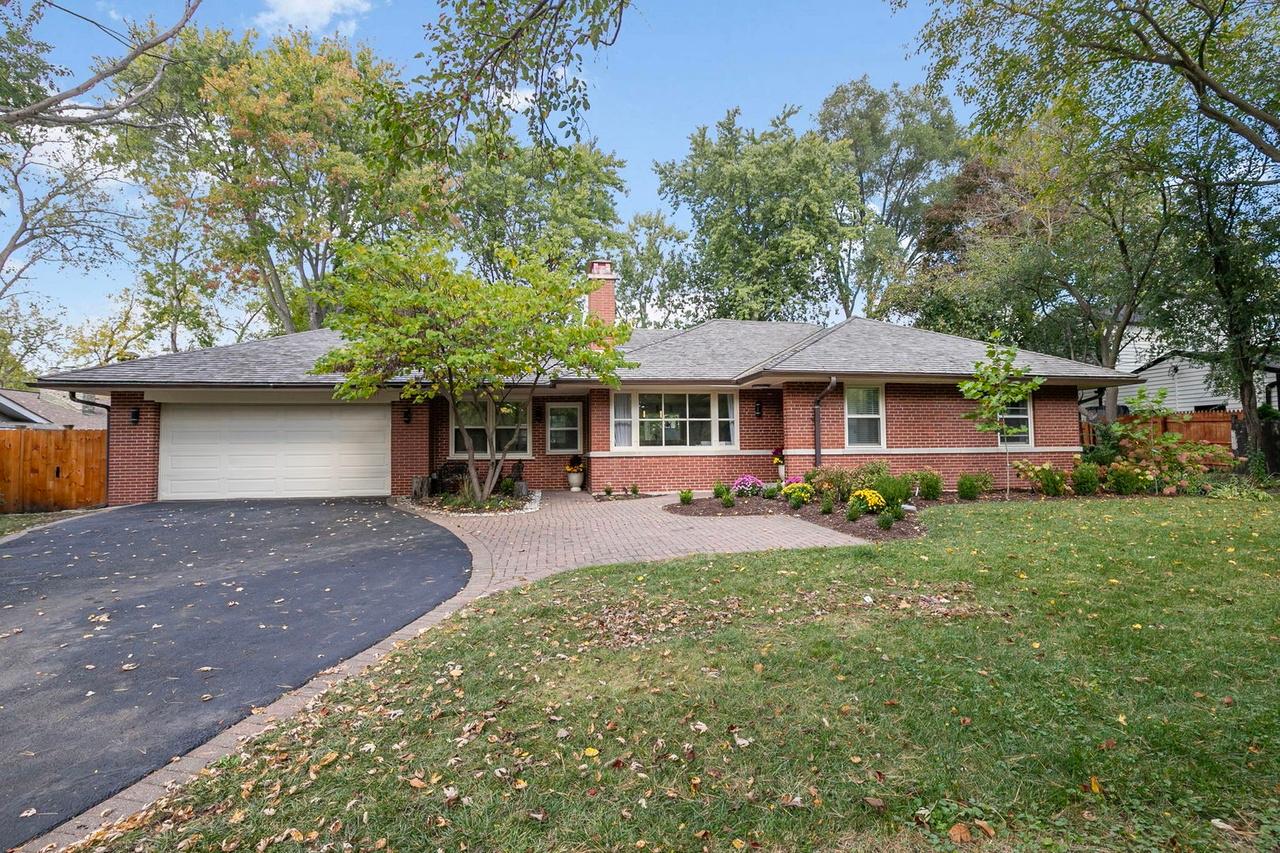
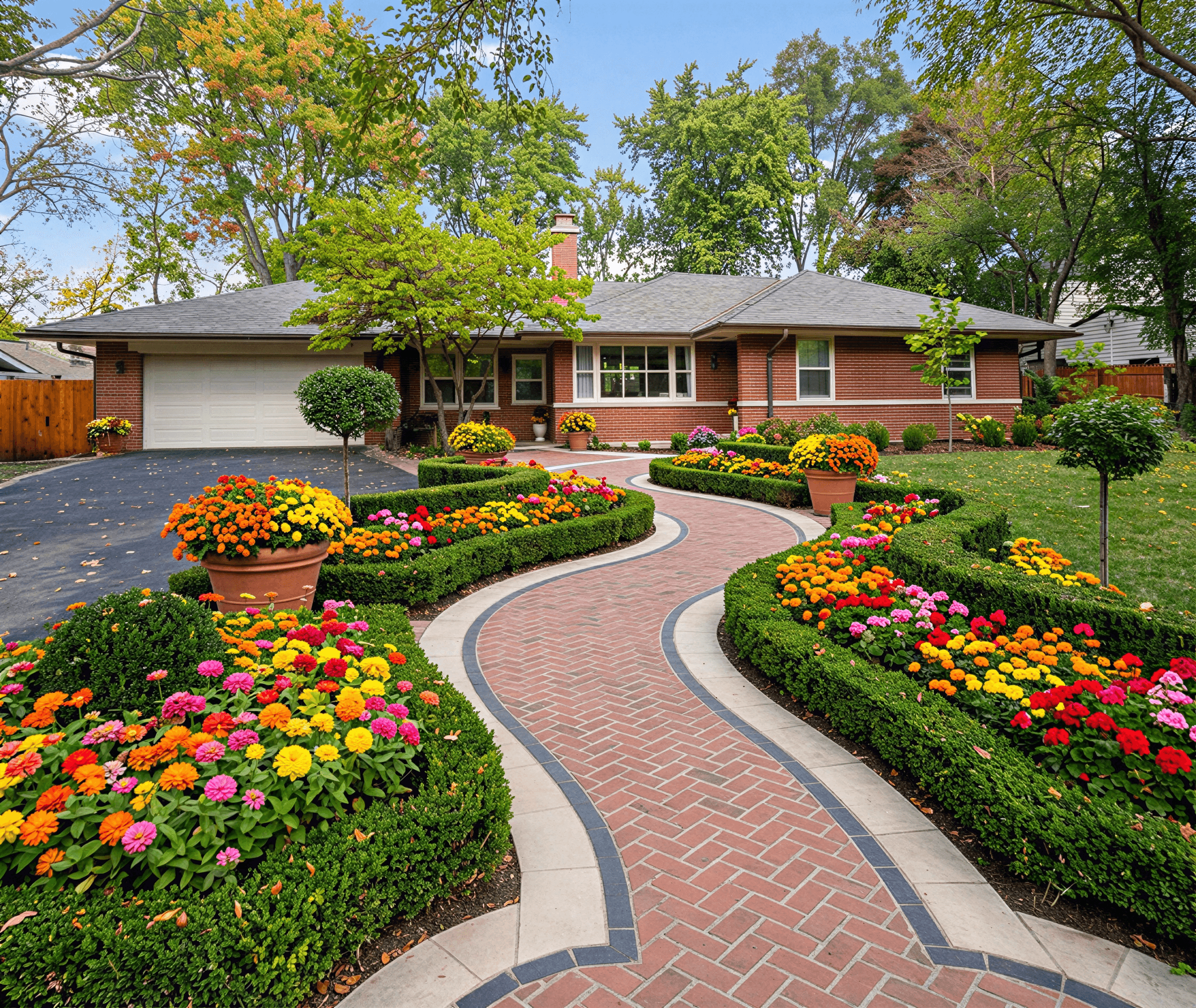
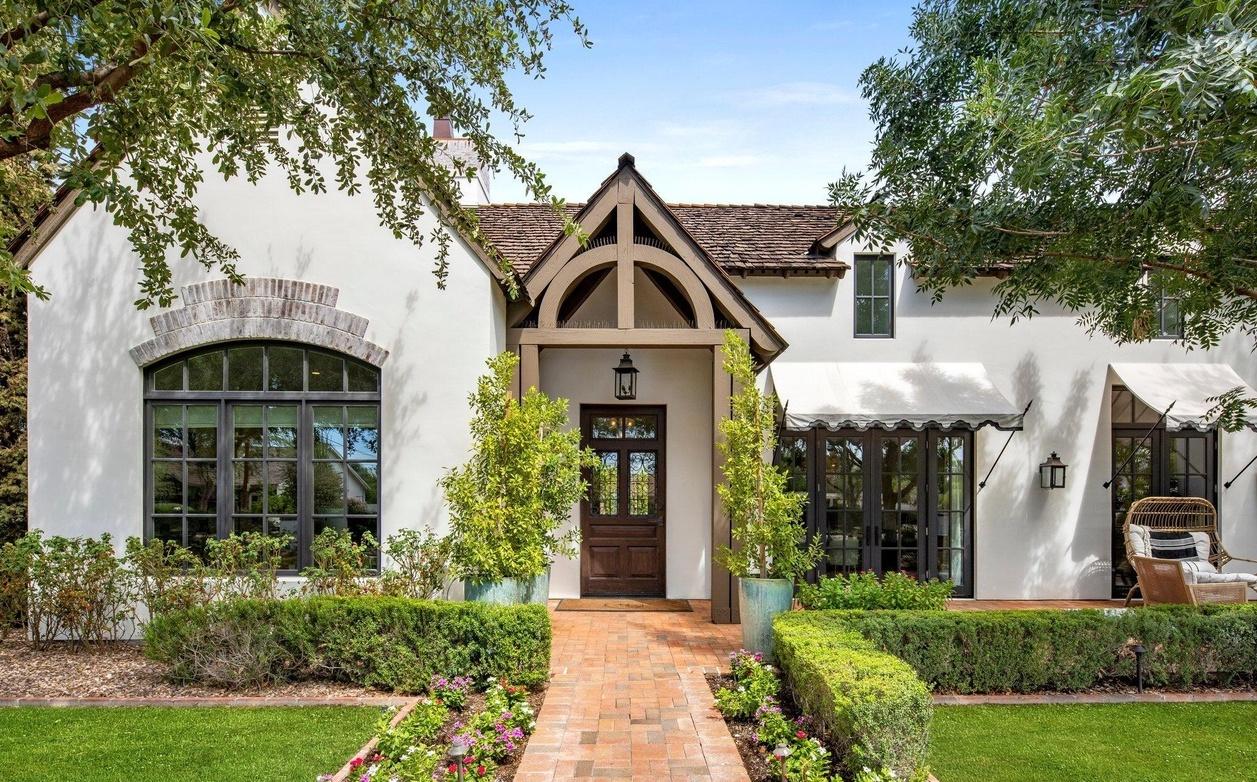
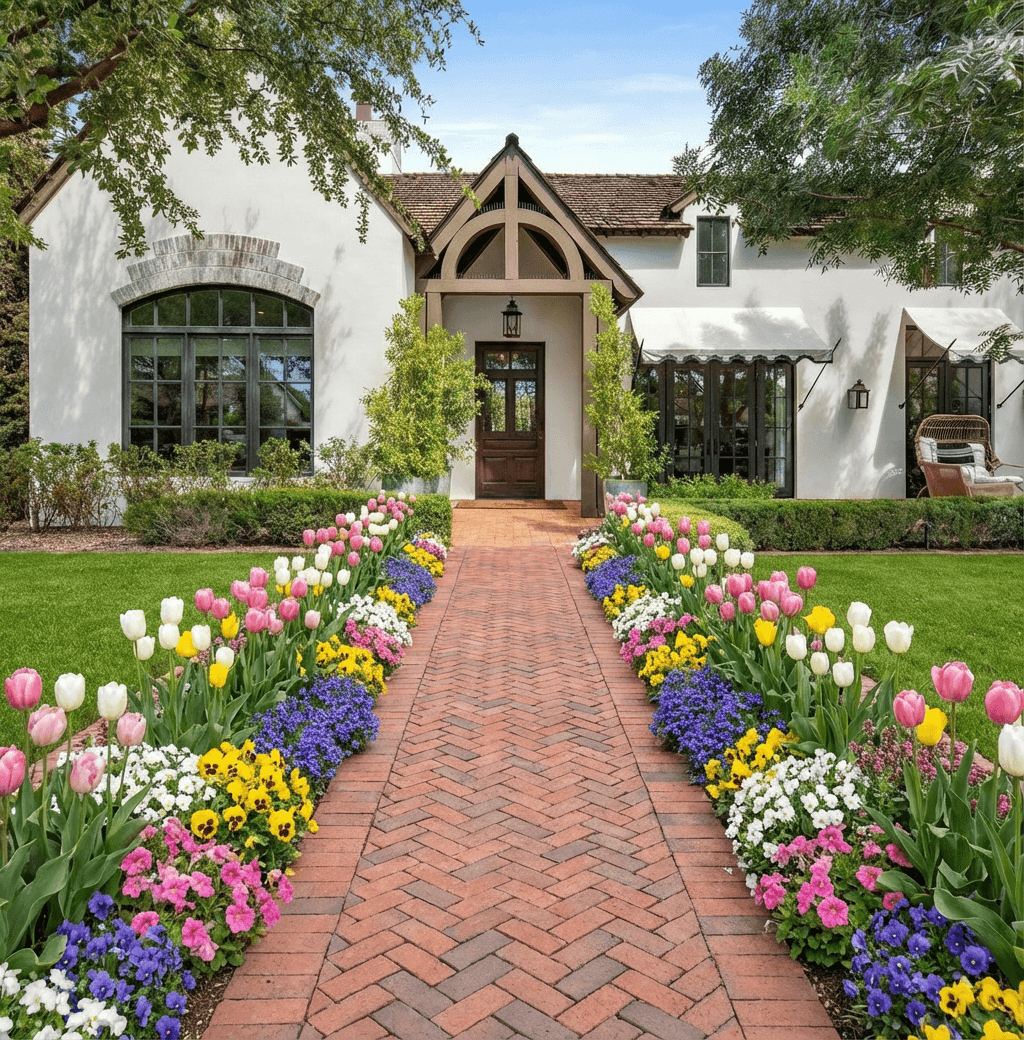
This is where technology can be a huge help. A tool like Curb Appeal AI lets you skip the guesswork. Instead of just imagining what a Mediterranean-inspired courtyard might look like, you can actually see it against a photo of your own home.
Wondering if a lush, tropical vibe would work, or if you're better off with the clean structure of a modern design? You can upload your photo and generate photorealistic concepts for both in seconds. This lets you "try on" different aesthetics side-by-side, helping you find the perfect match for your home and your own taste. It’s the best way to prevent costly mistakes and make sure the vision in your head is what comes to life right outside your door.
Drawing Up a Plan That Actually Works
Okay, now for the fun part: turning those big ideas into an actual plan. This is where you map out the "rooms" of your outdoor space, deciding where you’ll grill, where the kids will play, and where you'll put your feet up with a good book. Don't get hung up on creating a perfect piece of art—the goal here is clarity, not a masterpiece.
A fantastic, low-pressure way to start is with what we call a bubble diagram. Just sketch your property lines and your house's footprint on a piece of paper. From there, draw circles (or "bubbles") for each activity zone you want. One bubble for the patio, another for a fire pit area, and maybe a small one for a quiet herb garden. This simple exercise forces you to think about how you'll move through the space and how each area relates to the others.
This whole process—thinking through function, landing on a style, and then creating a visual map—is the backbone of every single successful landscape project.

As you can see, it’s a natural progression. Once you know what you need the space to do and how you want it to feel, creating a visual concept becomes so much more intuitive.
Adding Structure and Flow to Your Design
With your bubbles in place, it’s time to connect them. Start thinking about pathways. How will you get from the back door to the dining patio? A straight, formal path can look sharp and modern, but a gently meandering walkway often feels more natural and relaxed, perfect for a cottage or woodland garden. The idea is to make moving through your yard feel completely effortless.
This is also a good time to think about design principles like balance. It doesn't have to mean perfect mirror-image symmetry. In fact, many of the most beautiful gardens use asymmetrical balance. You might have a large, mature tree on one side, which has a lot of visual weight. You can balance it out on the other side with a cluster of smaller shrubs and a well-placed boulder. It feels harmonious without being stiff.
The most inviting landscapes feel connected and intentional, not like a random collection of plants and features. A good plan ensures every element works together to create a unified, harmonious space.
Bridging the Gap Between a Sketch and Reality
Let's be honest: this is where a lot of people get stuck. What if your drawing skills are, well, not great? It's easy to lose momentum when you can't get the picture in your head down on paper.
This is exactly where technology can be a huge help. A tool like Curb Appeal AI lets you skip the frustrating parts of sketching and generate a photorealistic concept in seconds. You upload a photo of your yard, and the AI produces a design based on your chosen style.
Think of it as your visual blueprint. Suddenly, you have a clear, professional image to work from. It's also an incredible communication tool to show a contractor so they see exactly what you're picturing, which helps avoid expensive misinterpretations down the road. For a deeper dive into this stage, check out our guide on how to plan a garden layout.
Choosing Plants And Materials That Will Thrive

With a plan in hand, you're ready for the most exciting part: choosing the plants and materials that bring your landscape to life. This is where a sketch starts to breathe, turning into a vibrant, living space. Making smart choices here will save you an incredible amount of work and money down the road.
The single most important decision you'll make is picking plants that actually belong in your climate. Start with the USDA Plant Hardiness Zone Map. This is your non-negotiable first step. It divides North America into zones based on minimum winter temperatures, telling you what can survive your coldest nights.
The "Right Plant, Right Place" Philosophy
Just because a plant can survive the winter doesn't mean it will thrive. For a truly successful garden, you want plants that are native or well-adapted to your area's specific rainfall and soil. Native plants have spent thousands of years getting used to your local environment, so they're naturally tough against local pests and require far less water once they're established.
Leaning into natives and adapted plants is the secret to a great-looking landscape that doesn't demand constant attention. For instance, why fight to keep a thirsty lawn green in an arid climate when you could have a stunning display of drought-tolerant ornamental grasses and succulents? It’s lower maintenance and better for local pollinators.
The "right plant, right place" philosophy is the cornerstone of sustainable landscape design. It’s a simple idea that prevents costly mistakes and ensures your garden doesn’t just survive, but truly thrives.
This is exactly where a tool like Curb Appeal AI can feel like having a personal botanist. Its plant suggestion feature uses your specific location to recommend plants that are not only beautiful but are practically guaranteed to succeed in your climate. It takes all the guesswork out of the equation so you can avoid the disappointment of watching your investment wither away.
Selecting Hardscape Materials
Hardscaping is the backbone of your landscape—the patios, paths, and walls that give it structure. These non-living elements define your outdoor rooms, guide movement, and provide the solid foundation for your plantings. Your choices here will come down to a balance of style, durability, and your budget.
When you're choosing materials, it’s not just about looks; it's about longevity. You'll want to explore options like stylish and durable tiles for patios, pools, and gardens that can handle the elements year after year.
Here’s a quick breakdown of common choices:
- Patios and Walkways: Natural stone like flagstone gives you a timeless, organic look, but it can be pricey. Concrete pavers are a more budget-friendly and durable alternative, and they come in a huge variety of styles and colors.
- Garden Beds and Paths: Gravel is an inexpensive and effective choice for informal paths or as a filler, especially in modern or xeriscape designs. For a more organic approach, mulch helps hold moisture in the soil, keeps weeds down, and eventually breaks down to enrich the earth.
Your material choices should always connect back to the overall style you're aiming for. A sleek, modern design might call for large-format concrete pavers, while a rustic cottage garden would feel more at home with irregular flagstone and classic brick. The goal is to create a cohesive look where your plants and hardscaping feel like they belong together.
For even more inspiration, check out our guide to beautiful landscape plant ideas.
How to Budget and Phase Your Project Realistically
Let's talk about the money. A beautiful landscape is one of the best investments you can make in your home, but it's crucial to be realistic about what it will cost. The good news is, you don't need a massive, lump-sum payment to get the yard of your dreams. It's all about smart planning and, if needed, breaking the project into manageable stages.
A common benchmark is to budget 5-15% of your home's total value for a complete landscape project. Of course, this is just a starting point. A simple front yard refresh will land on the lower end, while a full backyard transformation with a deck, fire pit, and extensive plantings will be on the high end. The key is to start with your absolute must-haves and build from there.
Creating a Realistic Budget Breakdown
Knowing where your money is going is half the battle. Your total cost will almost always break down into three main categories.
- Materials (40-60%): This is usually the biggest slice of the pie. It covers all the physical stuff—plants, soil, stone for a patio, lumber for a deck, mulch, and more.
- Labor (30-50%): If you're hiring a crew, their time and expertise are a significant part of the budget. Going the DIY route can slash this cost, but remember to factor in the value of your own time.
- Tools & Other (5-10%): This bucket catches everything else, like equipment rentals, permit fees from your city, or any new shovels and wheelbarrows you need to buy.
This initial planning stage is where new tools can give you a real leg up. By using a platform like Curb Appeal AI to generate photorealistic concepts, you can sidestep a large portion of traditional design fees, which often run into the thousands. That money can then go directly toward better materials or more mature plants.
The Power of Phasing Your Project
Does the final number on your estimate feel a bit daunting? Don't sweat it. Very few homeowners execute a massive landscape overhaul in one go. The secret is phasing the project over a couple of seasons.
By prioritizing your project in stages, you get to enjoy immediate improvements while spreading the investment over time. This is how you get the high-end result you want without the upfront financial stress.
A typical phased approach might look something like this:
- Year 1: The Foundation. Get the heavy lifting and most disruptive work out of the way first. This means installing the hardscaping—the patio, walkways, retaining walls, or deck.
- Year 2: The Green Structure. Now that the "bones" of the yard are in, you can bring in the key plantings. Focus on the larger trees and shrubs that will define the space and provide structure for years to come.
- Year 3: The Finishing Touches. This is the fun part. You can now fill in the garden beds with perennials and groundcover, install landscape lighting for ambiance, and add decorative pots and furniture.
This method transforms one gigantic, overwhelming project into a series of smaller, satisfying wins. To get a more granular view of what drives costs up or down, take a deeper dive into how much landscape design costs.
Getting Your Hands Dirty: Making the Design a Reality
Alright, the plan is locked in. Now comes the exciting part—turning those ideas on paper (or on your screen) into a living, breathing part of your home. This is where your landscape truly begins to take shape.
You're at a crossroads here with two main options. You can roll up your sleeves and go the DIY route, or you can bring in a professional landscape contractor to handle the heavy lifting.
The path you choose really comes down to your time, your budget, and how much you enjoy working in the yard. No matter which way you go, the end goal is the same: to create beautiful, functional outdoor living spaces that you and your family will love for years.
The DIY Approach: A Rewarding Challenge
Going the DIY route is incredibly satisfying and can definitely save you a good chunk of change on labor. It’s the perfect choice if you're not afraid of a little hard work and want a deep connection to your new garden.
But a successful DIY project is all about a smart, methodical approach. Don't just grab a shovel and start digging. Taking the time to do things right from the start will pay off for years to come.
Here are a few things I’ve learned are absolutely critical:
- Prep Your Soil: This is the foundation of your entire landscape. Don't skip it. Amending your soil with good quality compost gives your new plants the nutrients and structure they need to establish strong roots.
- Plant at the Right Depth: This is probably the most common mistake I see. Planting trees and shrubs too deep can suffocate them. You should always see the root flare—where the trunk widens at the base—sitting just slightly above the soil line.
- Mulch Correctly: A good 2-3 inch layer of mulch works wonders for holding in moisture and keeping weeds down. Just be sure to keep it from piling up directly against the stems and trunks of your plants to prevent rot.
Hiring a Landscape Contractor
If your project is on the larger side, involves complex features like retaining walls or patios, or you just don't have the time, hiring a pro is the best move. Finding the right contractor is the most important decision you'll make in this phase.
You’ll want to find licensed and insured professionals whose past work aligns with the style you’re going for. The demand for quality landscaping is huge—the global garden landscape design market is projected to reach an incredible $741.53 billion by 2026. This boom means there are more contractors out there, but it also means you need to be diligent in finding a good one.
Clear communication is the single most important factor in a successful project. I've seen more budgets and timelines go off the rails due to simple misunderstandings than anything else.
This is where all your upfront planning really shines. Instead of struggling to describe your vision, you can simply hand your contractor the photorealistic concepts from a tool like Curb Appeal AI. It’s a visual blueprint that eliminates guesswork.
They will see exactly what you envision—from the specific plant placements to the texture of the pavers. It ensures the final result is a perfect match for the design you've so carefully crafted.
Even after you’ve mapped out a solid plan, a few questions always seem to pop up right before you dig in. That’s perfectly normal. Let's tackle some of the most common ones I hear from homeowners, cutting straight to the practical answers.
How Much Should I Really Budget for Landscape Design?
This is the big one, isn't it? You’ll often hear a guideline of budgeting 5-15% of your home's value for a full landscape project, but honestly, that's a massive range. It's more of a loose suggestion than a hard-and-fast rule.
A better approach is to think in terms of scope. A simple front yard refresh—maybe some new mulch, a few dozen perennials, and a new walkway light—might only set you back a couple of thousand dollars. A complete backyard transformation with a stone patio, a pergola, and extensive new garden beds? That’s going to be a much bigger investment.
My advice is always to start with your non-negotiables. Get quotes for those must-have elements first. You can always phase the project over a few seasons to make the budget more manageable. Using a tool like Curb Appeal AI to generate the initial concepts can also save you a significant chunk on design fees, money you can put directly into better plants and materials.
Can I Really Do My Own Landscape Design with No Experience?
Yes, you absolutely can. The key is to start small and build your confidence. Don’t try to tackle the entire property at once. Pick one area—your front entryway, a tired-looking corner of the yard, or a single garden bed—and make that your first project.
Success in DIY landscape design comes down to great planning. Before you even think about visiting a nursery, you need to become an expert on your own yard. Understand its sunlight patterns, know your soil type, and figure out your specific climate zone.
The single biggest mistake I see new DIYers make is falling in love with a plant at the store, only to watch it wither because it was never right for their yard's conditions. A solid plan and the right plant choices are your best defense against wasted money and a whole lot of frustration.
This is exactly where a tool like Curb Appeal AI shines for beginners. It takes the guesswork out of the equation by providing professional-level design ideas and plant recommendations that are already suited for your specific location. It lets you focus on the fun part: bringing the vision to life.
What Is the Biggest Mistake to Avoid?
Hands down, the most common—and most expensive—mistake is designing without a cohesive master plan. It’s so tempting to buy a beautiful tree on impulse or add a small patio one year and a garden bed the next.
The result, more often than not, is a yard that feels chaotic, disconnected, and is surprisingly high-maintenance. A little bit of thoughtful planning upfront saves you from creating a landscape that looks like a collection of afterthoughts.
Ready to skip the guesswork and see your home’s potential? With Curb Appeal AI, you can generate stunning, climate-appropriate landscape designs in seconds. Try it for free and start your transformation today.